Numerology Journal
2626 Meaning: Numerology, Love, Work, and Care
In numerology, 2626 alternates cooperation with care and reduces to 7. It can prompt a useful review of whether support is reciprocal, evidence-based, and respectful of privacy and limits.
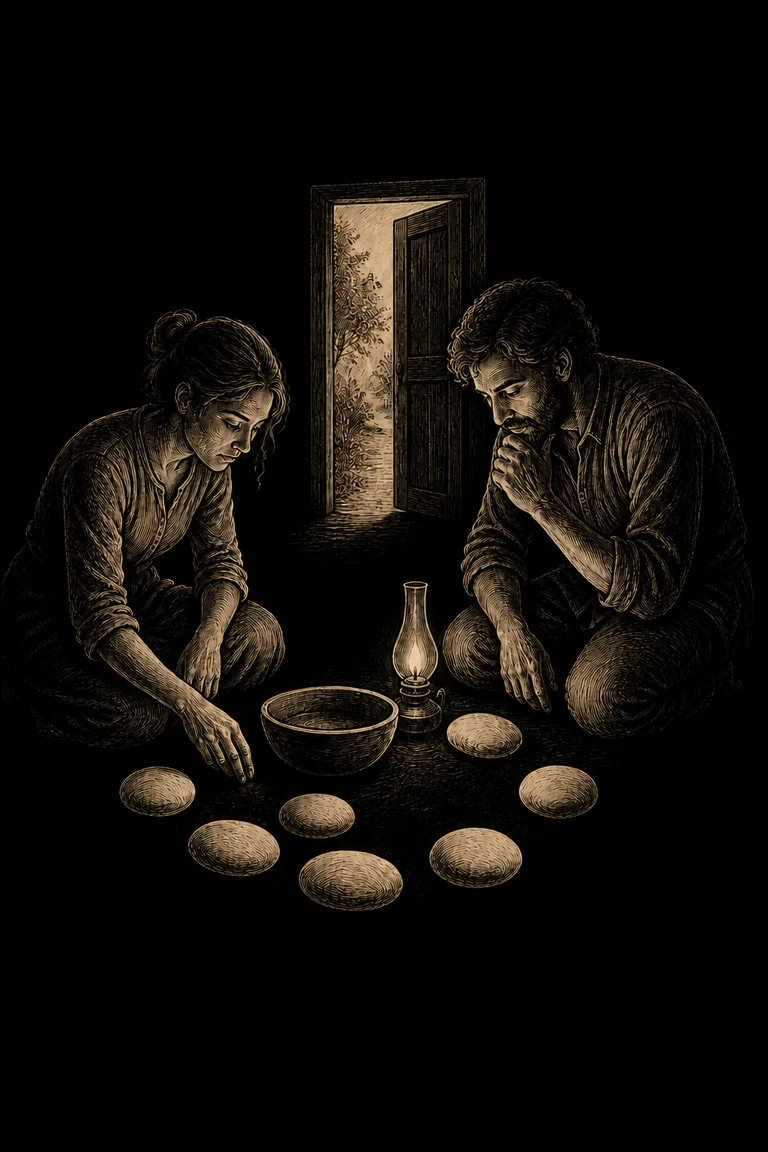
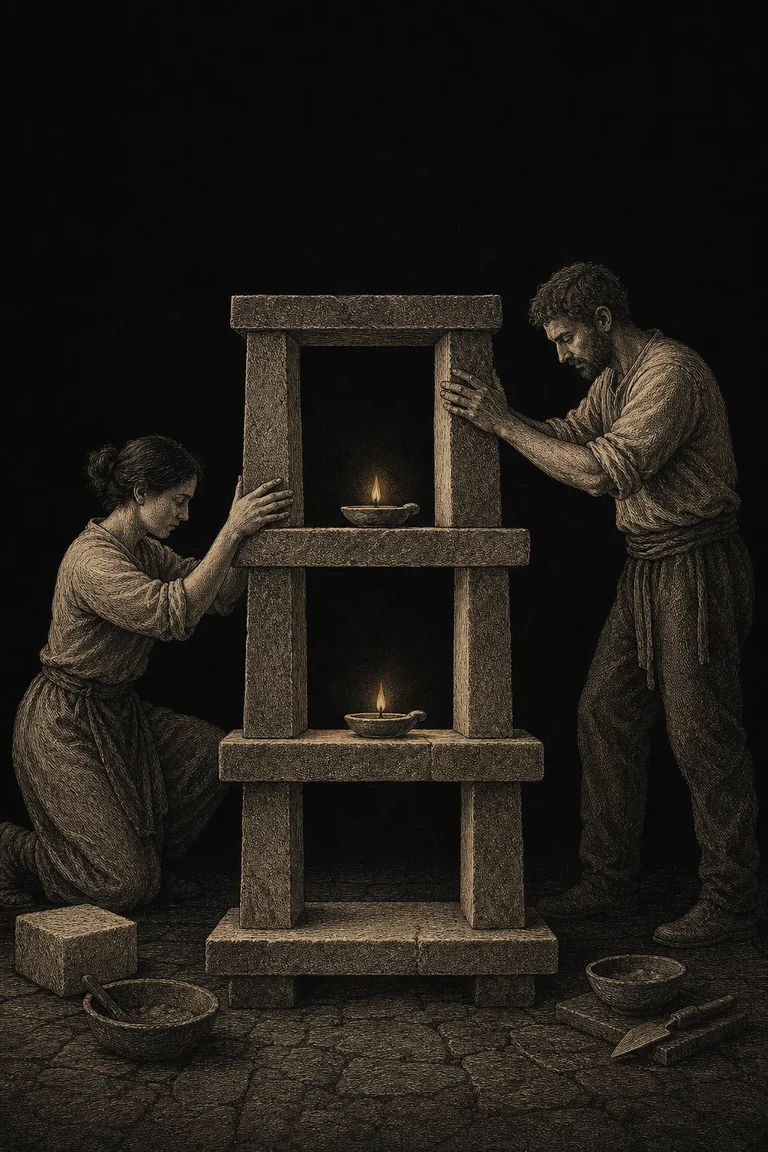
The 2626 meaning in numerology combines two appearances of 2 with two appearances of 6. Two is commonly associated with reciprocity, listening, patience, and boundaries. Six is associated with care, responsibility, home, repair, and stewardship. Their alternating order can frame care as an agreement that needs ongoing consent rather than a duty one person silently carries.
Add the digits to find the root: 2 + 6 + 2 + 6 = 16, then 1 + 6 = 7. The root 7 adds inquiry, privacy, evidence, and reflection. A grounded reading asks whether a caring arrangement still works when facts, capacity, and boundaries are examined closely. It does not predict reunion, marriage, pregnancy, money, a message, or divine timing.
Take the next insight with you
Explore personalized Numerology guidance in Veritas, available for iOS and Android.
 Scan with your phone
2626 meaning at a glance
How to calculate 2626
Reduce the full sequence
2 + 6 + 2 + 6 = 16
1 + 6 = 7
Reduction gives a stable arithmetic result, while symbolic emphasis depends on the numerology school. This article keeps the alternating 2 and 6 visible, treats compound 16 as optional context, and uses 7 as the final root. Some traditions give 16 a specific karmic or disruptive meaning, but those claims vary and should not be treated as proof of punishment or future events. State the method and keep the interpretation proportional.
The role of 2
Two asks whether affected people are heard and whether participation remains voluntary. It values cooperation but does not require peace at any price. In a pattern about care, repeated 2 can expose a difference between support and control. Ask who sets the terms, whose preferences are treated as default, and whether either person can request change without retaliation. Reciprocity does not mean identical effort every day. It means differences in capacity are visible, discussed, and reviewed.
The role of 6
Six brings attention to home, relationships, maintenance, standards, and responsibility for what has been entrusted to you. At its best, it organizes dependable care. Under strain, it can become perfectionism, rescuing, guilt, intrusion, or resentment. Repetition may highlight a role that has expanded without agreement. Care is sustainable when the task, frequency, owner, resources, and limits are named. It is not measured by how completely someone ignores their own capacity.
Why 2626 reduces to 7
The sum 16 reduces to 7, shifting the final emphasis toward examination. Seven can ask for quiet, research, privacy, specialist knowledge, and enough distance to distinguish evidence from expectation. It does not require emotional withdrawal or secrecy. In 2626, the root can serve as a quality check on care: what do we know, what are we assuming, and what would a qualified perspective add? Reflection should return useful information to the agreement rather than become endless analysis.
The meaning of the alternating order
The sequence moves from relationship to responsibility, then repeats that movement. Symbolically, it can suggest listen, care, listen again, and revise the care. The second 2 matters because consent and capacity can change after someone experiences the arrangement. The second 6 asks whether the revised responsibility is concrete and sustainable. This rhythm is different from assuming that an original promise permanently defines what support must look like.
2626 meaning in love
In love, 2626 can prompt a review of emotional labor, household work, family expectations, privacy, money, or the way partners respond when one person needs help. Choose one recurring responsibility and compare stated expectations with what actually happens. For dating, notice whether warmth is paired with respect for time and boundaries. If you are single, define the care you can offer without performing a role that erases you. The number cannot prove commitment, reveal a soulmate, or guarantee reunion.
Work, projects, and money
At work, 2626 can highlight support roles, mentoring, quality control, team maintenance, or invisible coordination. Record the actual workload, ownership, service standard, and decision rights before adding more care work. With money, the pattern is not a command to lend, invest, resign, or take debt for someone else. Review affordability, written terms, risk, repayment, taxes, and the effect on essential reserves. Generosity needs evidence and boundaries when the consequences are material.
What seeing 26:26 can mean
A standard 24-hour clock ends at 23:59, so 26:26 is not a valid clock time. People may notice 2626 in totals, addresses, account references, page numbers, distances, or other contexts. Once a pattern becomes personally meaningful, attention detects it more easily. Note where it appeared, what caring obligation was active, and what action came to mind. The record may reveal a repeated concern, but it cannot prove that an external force placed the number there.
2626 compared with 2525, 2424, and 777
2626 alternates cooperation with care and reduces to 7, emphasizing evidence and reflection inside a responsibility. The 2525 pattern alternates cooperation with change and reduces to 5, so it focuses more on a bounded adaptation. The 2424 pattern alternates cooperation with structure and reduces to 3, bringing shared systems back to communication. The 777 sequence concentrates 7 and reduces to 3, placing inquiry first before asking how findings can be expressed.
Audit care without turning it into control
Use Veritas to record the agreement, actual workload, consent, evidence, privacy needs, available support, and the date when everyone can revise the arrangement.
A seven-question 2626 care audit
- What was agreed?
Separate the explicit promise from habits or expectations that were never discussed.
- Who benefits?
Name the people helped and whether one person carries most of the cost.
- What is the real workload?
Measure time, money, planning, emotional labor, interruptions, and follow-up.
- Is consent current?
Check whether everyone can still choose, decline, or request different terms.
- What evidence is missing?
Identify assumptions, undocumented needs, or specialist questions that affect the plan.
- What should remain private?
Protect personal information and share only what the task genuinely requires.
- When will we review?
Set a date and observable criteria for continuing, changing, sharing, or ending the responsibility.
Pattern bias and safety
Repeated numbers can feel unusually salient after attention learns the pattern. Reflection may still help organize a concern, but the sighting is not evidence of hidden communication or a future outcome. Do not use 2626 to make medical, legal, financial, relationship-safety, or caregiving decisions without relevant facts and qualified help. A responsible interpretation leads to a specific question, a consent check, and an observable review rather than certainty.