Astrology Journal
Apollo in Astrology: Signs, Houses, Aspects, and Meaning
Apollo in astrology is an optional asteroid lens on trained clarity, visible craft, creative discipline, and the responsibility attached to recognition.
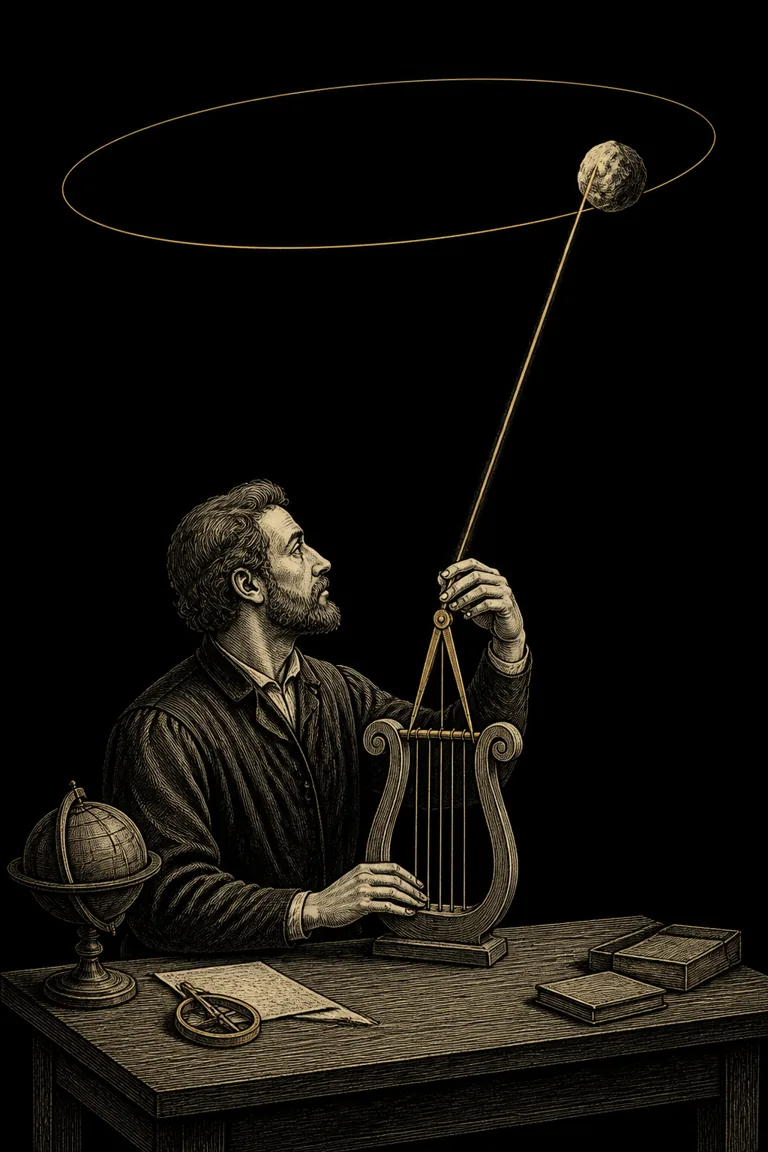
Apollo in astrology usually means asteroid 1862 Apollo, a physical near-Earth asteroid named for the Greek and Roman deity associated with music, poetry, medicine, prophecy, archery, and light. Modern astrologers who use it may connect the placement with clarity, skill, performance, focused aim, teaching, or work that becomes visible to others.
These meanings are symbolic and are not scientifically validated. Apollo cannot prove genius, healing ability, prophecy, leadership, or vocation. Confirm the object number because asteroid Apollo is also distinct from Apollon, a hypothetical factor used in Uranian astrology. Then read the asteroid after the Sun, Mercury, Venus, relevant houses, angles, and repeated major-chart themes.
Take the next insight with you
Explore personalized Astrology guidance in Veritas, available for iOS and Android.
 Scan with your phone
What Apollo means in astrology
Astrologers who work with asteroid 1862 often read it through mythic themes of form, precision, music, public expression, trained ability, and hitting a chosen mark. A useful interpretation asks where a person wants to make something legible or well composed. The shadow can include distance, perfectionism, image control, or mistaking recognition for authority. The asteroid adds a narrow question, not a second Sun or a verdict about talent.
Place Apollo behind the core chart
Open your astrology profile in Veritas and compare Apollo with the Sun, Mercury, Venus, houses, angles, and close major aspects before interpreting it.
Asteroid 1862 Apollo and object identity
Asteroid 1862 Apollo was discovered in 1932 and gave its name to the Apollo group of near-Earth asteroids. Its physical orbit and classification belong to astronomy; astrological interpretation is a later symbolic practice based largely on the name. Use software that accepts asteroid number 1862. If a chart or source says Apollon, check whether it means the separate hypothetical Uranian point rather than this physical object.
How to find Apollo in a birth chart
- Add asteroid 1862
Search by object number so Apollo is not confused with Apollon or a solar point.
- Record the chart settings
Note zodiac, house system, coordinates, birth-time source, and ephemeris.
- Prioritize close contacts
Begin with conjunctions or other narrow aspects to personal planets and angles.
- Return to repeated evidence
Keep the interpretation only when major planets, houses, biography, and practice support it.
Myth, light, and skilled form
Apollo's myths combine arts, healing, divination, discipline, beauty, distance, and destructive power. An astrological reading should not flatten that range into a promise of brilliance. The most workable modern theme is trained clarity: choosing a mark, refining a method, and accepting responsibility for how visibility is used. Myth can supply questions and images, but it does not establish a medical, spiritual, or professional credential.
Apollo through the signs
The sign can describe a style of clarity or craft. Aries acts decisively, Taurus develops material or vocal skill, Gemini explains, and Cancer makes private knowledge protective or memorable. Leo performs, Virgo refines, Libra composes relationships, and Scorpio investigates depth. Sagittarius teaches wider meaning, Capricorn builds authority through practice, Aquarius shares systems, and Pisces works through image, music, or permeability. These are prompts, not rankings of ability.
Apollo through the houses
The house suggests where skill or visibility becomes noticeable. The first concerns presentation; the second resources and craft; the third language; and the fourth private foundations. The fifth emphasizes making and performance, the sixth disciplined practice, the seventh collaboration, and the eighth consequential trust. The ninth broadens teaching, the tenth public contribution, the eleventh networks, and the twelfth hidden work or private preparation.
Apollo aspects to planets and angles
A close Sun contact may connect identity with visible skill, while Mercury emphasizes explanation and Venus aesthetic form. Mars can sharpen aim, Jupiter widen reach, Saturn require training, Uranus experiment, Neptune inspire or blur, and Pluto intensify control or investigation. Apollo near the Ascendant may affect presentation; near the Midheaven it may color public craft or reputation. The natal planet or angle remains primary.
Apollo in synastry
In synastry, a close Apollo contact may be used to explore admiration, mentoring, creative collaboration, competition, or the pressure to appear accomplished. It cannot prove that one person is a muse, healer, teacher, or destined partner. Look for reciprocal credit, consent, realistic expectations, and freedom to disagree. Compare both natal charts and the wider synastry pattern before giving a minor asteroid relational weight.
Apollo transits
A transit from asteroid Apollo can serve as a timing prompt when it closely contacts a natal planet or angle. Attention may turn toward rehearsal, publication, presentation, technical refinement, or the consequences of being seen. Minor-asteroid contacts are frequent and should not be treated as guaranteed fame, diagnosis, creative breakthrough, or prophecy. Track the actual project and major transits first.
Apollo compared with the Sun, Mercury, and Apollon
The Sun is a core symbol of vitality, identity, and organizing purpose. Mercury concerns thinking, language, exchange, and interpretation. Asteroid 1862 Apollo is narrower, adding a mythic prompt around disciplined clarity, aim, arts, and visible skill. Apollon in Uranian astrology is not the same object: it is a hypothetical point with its own school-specific meanings. State which factor and method you are using.
Give symbolic skill a real practice
Use Veritas to choose one Apollo theme, then define the rehearsal, standard, feedback source, or finished work that would make it observable.
Birth time and aspect orbs
Without an accurate birth time, houses and angle contacts may be unreliable even when Apollo's zodiac position is usable. Because minor asteroids add fine detail, many readers begin with narrow orbs of roughly one to three degrees and widen only when repeated chart evidence supports it. Record the object number, exact degree, orb, aspect, birth-time source, and calculation settings.
Common Apollo interpretation mistakes
Do not promise fame, artistic genius, healing power, medical skill, prophecy, or moral authority from one placement. Do not confuse Apollo with the Sun or Apollon, or let a loose asteroid contact outweigh the chart ruler, luminaries, personal planets, angles, and lived practice. Mythic beauty can encourage projection. A responsible reading asks what is trained, what is visible, who benefits, and what ethical limit applies.
Questions for interpreting Apollo
- What needs a clear form?
Name the idea, skill, message, performance, or standard that is trying to become legible.
- What practice supports it?
Identify the rehearsal, study, measurement, feedback, or repetition behind the visible result.
- Where can image replace substance?
Check whether polish, praise, or distance is hiding uncertainty or incomplete work.
- What makes visibility responsible?
Define scope, consent, credit, qualification, and the practical effect on other people.