Tarot Journal
Tarot vs Oracle Cards: What Is the Difference?
Tarot follows a shared 78-card structure, while each oracle deck creates its own system. The better choice depends on whether you want a stable symbolic grammar or a deck-specific prompt language.

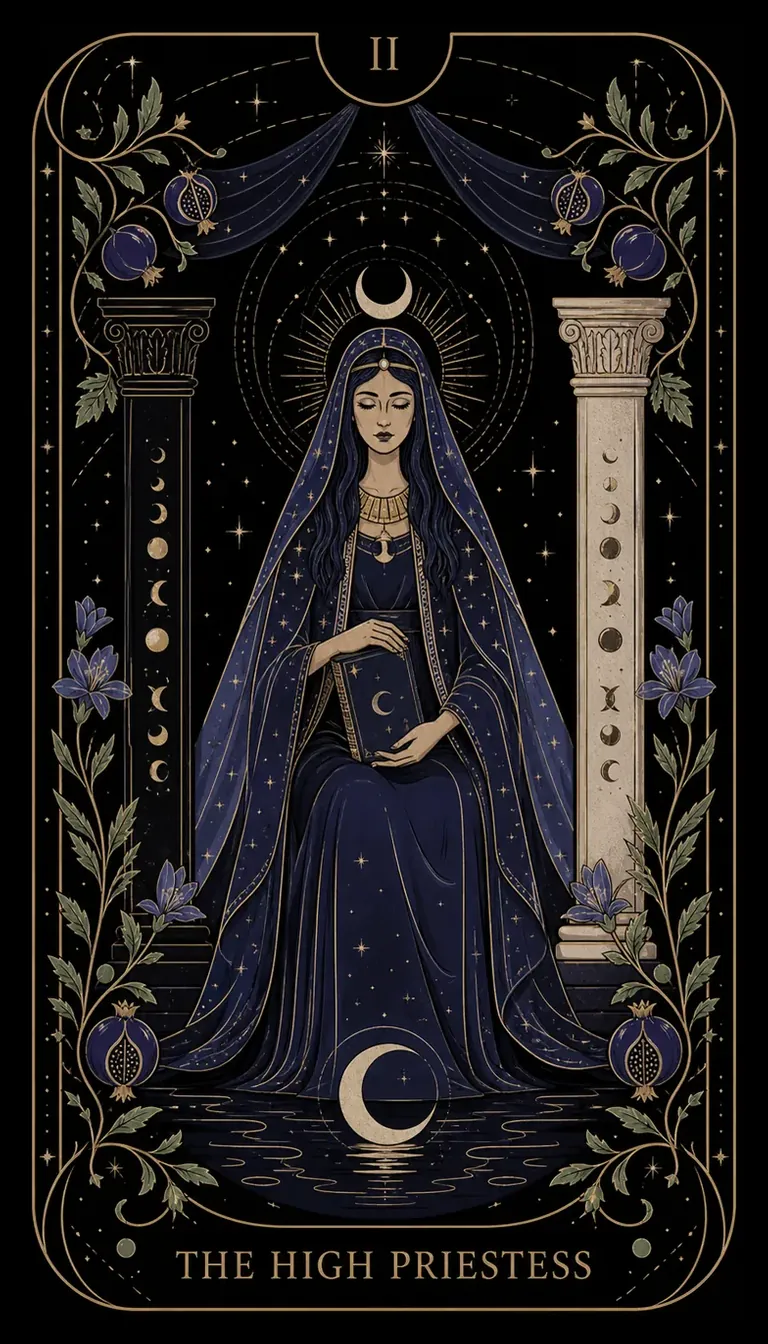
The main difference between Tarot and oracle cards is structure. A standard Tarot deck has 78 cards divided into 22 Major Arcana and 56 Minor Arcana, with four suits and recurring ranks. Oracle decks have no universal card count, suit system, or required sequence. Their creator decides the theme, vocabulary, artwork, and method.
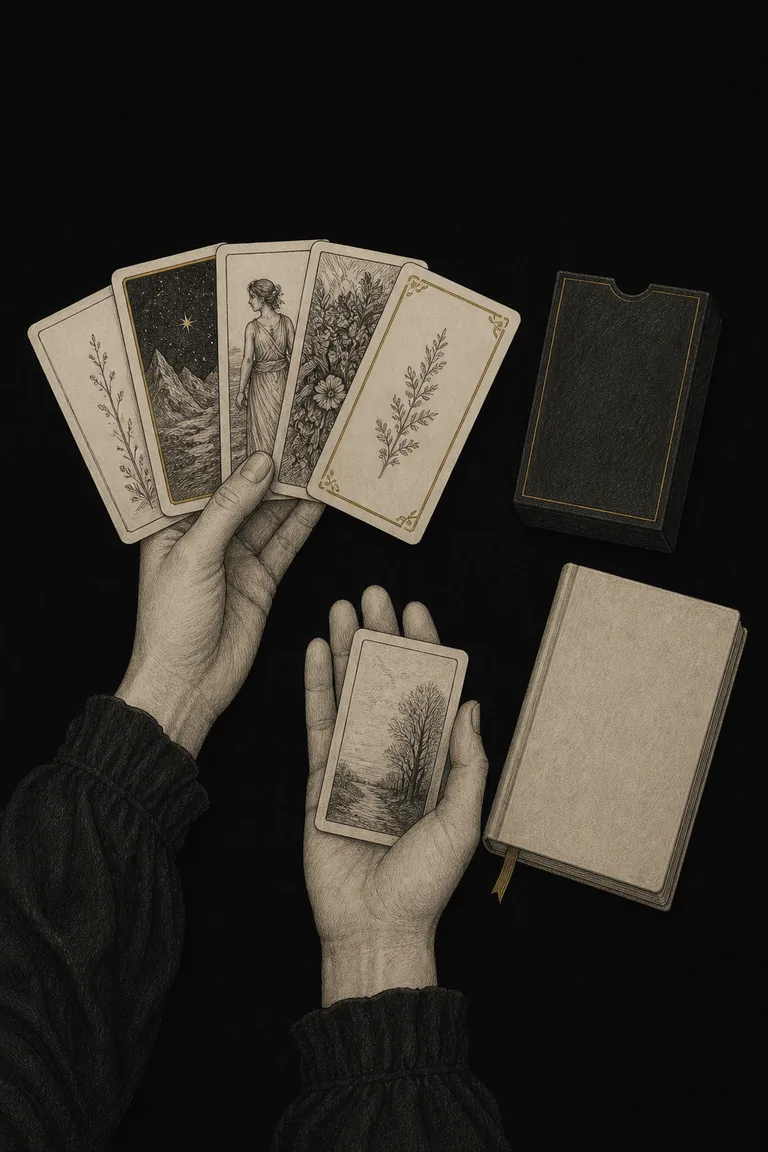
Both can support reflection, storytelling, and question framing. Neither format is inherently more accurate, spiritual, or intuitive. Tarot makes it easier to compare readings across decks because much of the underlying system remains stable. Oracle cards can be easier to approach quickly, but their meanings depend more heavily on the specific deck and guidebook.
Take the next insight with you
Explore personalized Tarot guidance in Veritas, available for iOS and Android.
 Scan with your phone
Tarot vs oracle cards: the short answer
Tarot is a named card system with a recognizable architecture. Decks may change the art or rename some cards, but The Fool, the four suits, court cards, and numbered progressions usually remain traceable. “Oracle cards” is an umbrella term for independent decks. One may contain 36 botanical prompts, another 52 relationship themes, and another 64 abstract images. The guidebook for one oracle deck does not automatically teach another.
The structural difference
Is Tarot harder to learn?
Tarot has more shared material to learn, but that structure also gives the learner a map. Number, suit, rank, elemental association, image, and spread position can each contribute evidence. You do not need to memorize every meaning before beginning. A one-card or three-card practice can build the grammar gradually. An oracle deck may feel faster because a card title or guidebook sentence is direct, yet a subtle oracle system can be just as demanding once you compare context and combinations.
Which questions suit each deck?
Tarot is useful when a question benefits from roles, sequence, tension, or development. A spread can distinguish present conditions, an obstacle, an available resource, and a next action. An oracle deck is useful when its theme closely matches the inquiry or when you want one concise prompt for reflection. A botanical deck might support a seasonal journal; a values deck might help name a principle in a decision. The deck theme should fit the question rather than force every concern into its vocabulary.
Are oracle cards more intuitive than Tarot?
No card format owns intuition. Immediate recognition can come from familiar language, strong visual design, prior knowledge, mood, or expectation. A direct oracle phrase may feel accessible, while Tarot may offer more checks against a first impression because its number, suit, image, and position can be compared. In either system, write the visible details and conventional source before turning a feeling into a claim.
Are Tarot cards more accurate?
The deck type cannot establish predictive accuracy. A structured method can make a reading easier to document, but documentation is not proof that cards forecast outside events. Judge a reading by the clarity of its question, the transparency of its method, the specificity of any claim, its respect for consent, and what later evidence shows. Avoid readers who use either label to guarantee outcomes or demand escalating payments.
How to read Tarot cards
- Define the question
Choose one answerable concern and name what remains under your control.
- Choose positions
Use one card or a small spread whose positions have different jobs.
- Draw consistently
Shuffle, cut, and select with a rule chosen before seeing the cards.
- Read the evidence
Combine image, number, suit, rank, conventional meaning, and spread position.
- Synthesize and stop
Write one coherent answer and a next step without drawing until a preferred result appears.
How to read oracle cards
Start with the deck creator’s stated framework. Note whether cards belong to categories, whether reversals are intended, and how the guidebook distinguishes similar prompts. After drawing, describe the image before reading the entry. Compare your observation with the authored meaning, apply it to the question, and record the result. A broad word such as “release” still needs a concrete object: what exactly may be ended, returned, delegated, or reconsidered?
Can you use Tarot and oracle cards together?
Yes, if each system has a declared role. One clean method is to read a complete Tarot spread first and then draw one oracle card as a closing reflection prompt. Another is to use an oracle card to name the theme before drawing Tarot for defined positions. Do not let an unlimited sequence of oracle cards overwrite a difficult Tarot result. Keep the decks separate on the table and in your notes so card order and function remain visible.
Keep mixed-deck readings traceable
Use Veritas to save the question, deck names, system assigned to each position, draw order, source meanings, your synthesis, next action, and review date.
Example: choosing between two jobs
A Tarot spread can compare what each role requires, an unknown to investigate, and a practical next step. A values-based oracle deck can then supply one word to test against the decision, such as autonomy or stability. The oracle prompt does not select the employer. It helps you ask whether salary, schedule, manager behavior, commute, and growth evidence support the value you named.
Example: a daily card practice
A daily Tarot card can build familiarity with a stable system by comparing the card with actual events at day’s end. A daily oracle card can establish a concise reflection theme. In both cases, write the card before the day unfolds and record mismatches as well as apparent matches. A prompt becomes useful through observation, not by stretching every event to fit it.
How to choose your first deck
Choose a conventional Tarot deck if you want abundant learning resources and skills that transfer to other decks. Choose an oracle deck if one specific theme, visual language, and guidebook genuinely support the questions you plan to ask. Preview several cards and sample guidebook entries. Check card size, readability, production quality, cultural sourcing, and whether the deck explains its system. You do not need to receive a deck as a gift, cleanse it by a compulsory ritual, or buy several decks before you can begin.
Ethical limits for both systems
Do not use cards to claim access to another person’s private thoughts, bypass consent, diagnose illness, direct medication changes, guarantee pregnancy, accuse someone of betrayal, or replace legal and financial advice. State uncertainty and separate symbolic reflection from verified fact. If repeated drawing increases anxiety or creates pressure to spend, contact someone, or delay ordinary decisions, close the deck and return to direct evidence.
The practical choice
Tarot offers a shared language with enough structure for long-term study. Oracle cards offer flexible, authored systems that can focus attention quickly. You may prefer one, use both with separate roles, or use neither. The strongest practice is not the one with the most mystical label. It is the one whose method, limits, and conclusions you can explain honestly.