Astrology Journal
Cardinal, Fixed, and Mutable Signs: The Three Modalities
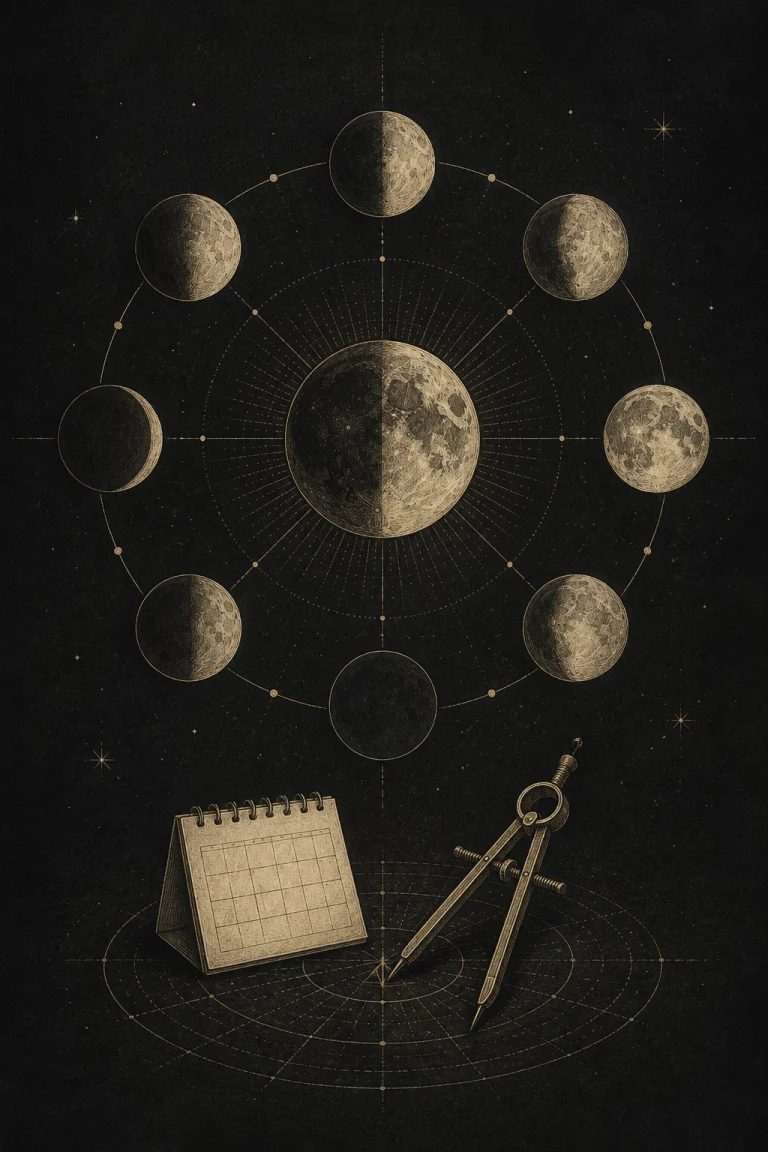
Cardinal, fixed, and mutable signs describe three ways energy moves: beginning, sustaining, and adapting. Every element contains one sign of each modality.
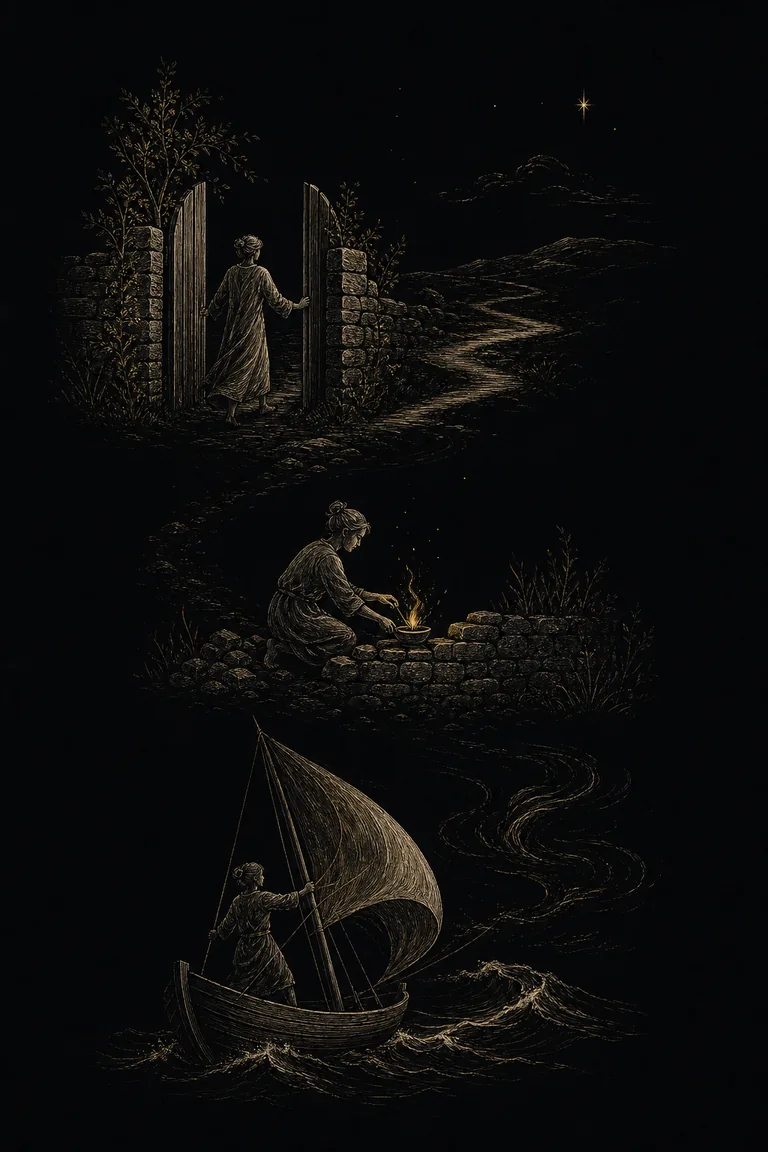
Astrology modalities explain how a sign tends to approach movement and change. Cardinal signs initiate, fixed signs stabilize, and mutable signs adjust. None is more capable than another; each solves a different part of a process.
Modality becomes much clearer when read with element. Aries and Cancer are both cardinal, for example, yet Fire begins through direct action while Water begins by creating emotional movement, protection, or belonging.
Take the next insight with you
Explore personalized Astrology guidance in Veritas, available for iOS and Android.
 Scan with your phone
What are the three modalities?
The twelve zodiac signs form three groups of four. Each group contains one Fire, Earth, Air, and Water sign. This structure keeps modality distinct from temperament: signs can share a mode of action while expressing it through very different needs and materials.
See how your chart distributes momentum
Open your birth chart in Veritas and compare cardinal, fixed, and mutable placements across the Sun, Moon, Ascendant, planets, and houses.
Cardinal signs begin
Aries, Cancer, Libra, and Capricorn are cardinal signs. They correspond with the beginnings of seasons in the tropical zodiac and symbolize activation, direction, and the move from possibility into motion. Cardinal strength often appears as willingness to define the next step. Its excess can be starting faster than a plan can be sustained.
The four cardinal expressions
Aries, cardinal Fire
Starts through direct action, risk, assertion, and immediate engagement.
Cancer, cardinal Water
Starts by protecting, gathering, caring, or changing the emotional climate.
Libra, cardinal Air
Starts dialogue, comparison, negotiation, and a new social arrangement.
Capricorn, cardinal Earth
Starts by defining an objective, responsibility, structure, or measurable route.
Fixed signs sustain
Taurus, Leo, Scorpio, and Aquarius occupy the middle of seasons. They symbolize concentration, continuity, loyalty, and the ability to keep energy invested long enough for something to develop. Fixed strength supports mastery and resilience. Under pressure it may defend a position after conditions have changed.
The four fixed expressions
Taurus preserves material stability and sensory value. Leo sustains creative purpose, visibility, and personal loyalty. Scorpio holds emotional intensity, shared stakes, and difficult processes. Aquarius maintains principles, systems, and collective ideas. Their persistence looks different because each element protects a different kind of continuity.
Mutable signs adapt
Gemini, Virgo, Sagittarius, and Pisces close seasons. They symbolize transition, revision, distribution, and responsiveness to new information. Mutable strength can translate between contexts and improve a process while it is moving. Its excess may scatter attention or postpone commitment because another option remains possible.
The four mutable expressions
Gemini adapts through questions, language, and multiple points of view. Virgo adapts through analysis, correction, and practical refinement. Sagittarius adapts by reframing meaning and widening the route. Pisces adapts through empathy, imagination, permeability, and release.
Modality and element answer different questions
Element describes the kind of material a sign works through: Fire inspires, Earth makes tangible, Air connects ideas, and Water registers feeling. Modality describes what happens to that material. Cardinal Fire ignites, fixed Fire keeps a flame, and mutable Fire carries it toward a new horizon.
How to count modalities in a birth chart
Begin with the Sun, Moon, Ascendant, Mercury, Venus, and Mars. Add the remaining planets after you understand the personal pattern. A simple count is useful, but angular placements, close aspects, chart ruler, and house emphasis can make one placement more prominent than several quiet ones.
A dominant modality
Many cardinal placements can emphasize initiative and self-created momentum. Fixed emphasis can favor endurance, depth, and continuity. Mutable emphasis can favor learning, transition, and responsiveness. Dominance describes a familiar strategy, not a permanent personality verdict. Context determines whether that strategy is the right tool.
A modality with few placements
A low count does not mean a missing human capacity. Someone with little cardinal emphasis can begin through a strong Mars, angular planet, or practiced habit. A low fixed count may use routines and commitments for continuity. A low mutable count may schedule feedback and deliberately invite revision.
Why the modalities can clash
Cardinal energy may experience fixed energy as obstruction, while fixed energy experiences cardinal movement as disruption. Mutable energy may help them revise the route, but can frustrate both if it avoids a decision. The practical question is which phase the situation needs now: a start, sustained effort, or adjustment.
Modalities in relationships and teams
Shared modality can create recognition and competition; contrasting modalities can create both coverage and friction. A project often benefits from someone who initiates, someone who maintains standards, and someone who responds to changing information. Compatibility still depends on communication, consent, values, circumstances, and the full charts.
Read a placement in three layers
Name the planet or point, then its element and modality, then the house and aspects. Mars in fixed Water, for example, may sustain effort through emotional depth, but its house shows where that effort concentrates and its aspects show what supports or complicates expression.
Astrology is a symbolic interpretive tradition, not a scientifically validated method for predicting personality or events. Use modalities as language for reflection, never as proof of character or a substitute for evidence and professional guidance.