
Tarot Journal
Do You Need to Cleanse Tarot Cards? Ritual, Care, and Intention
You do not have to cleanse Tarot cards for them to work. A simple reset ritual can mark a transition, while careful storage and dry handling protect the physical deck.
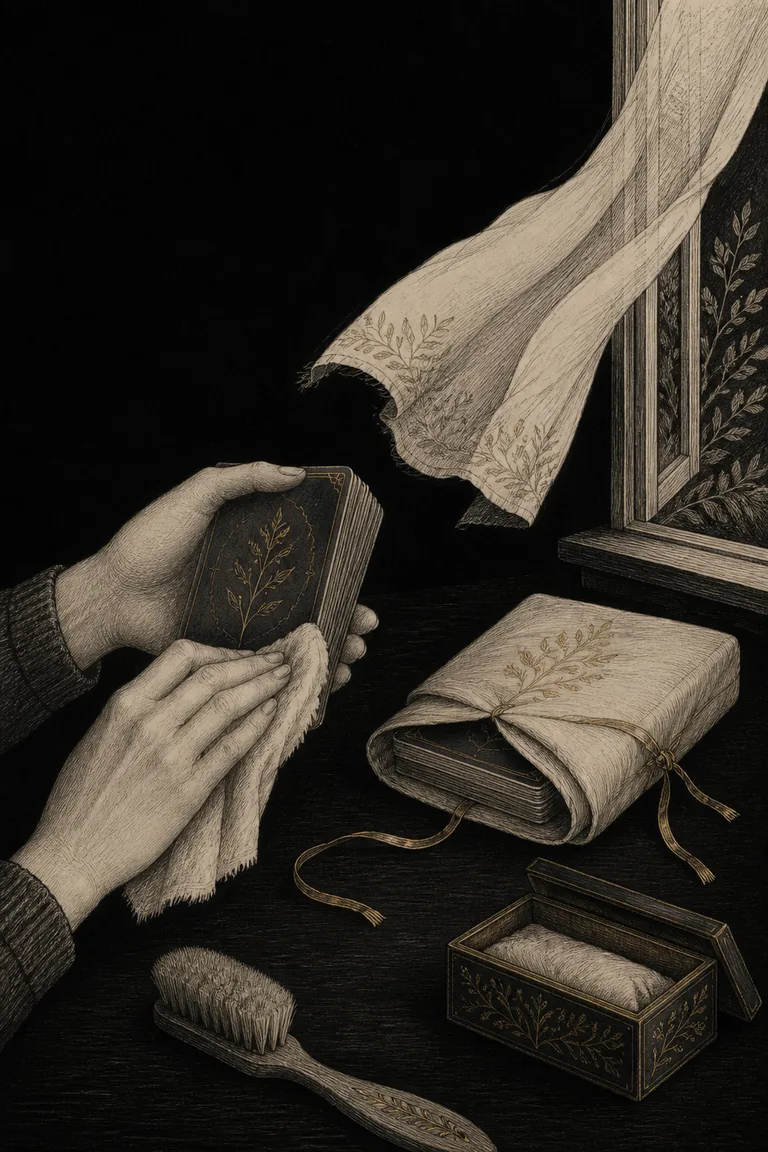
Cleansing Tarot cards is an optional ritual, not a technical requirement. Cards do not become inaccurate because someone touched them or because you completed a difficult reading. Many readers still value a deliberate reset because it helps them pause, close one question, and begin the next with clearer attention.
Choose a method that is safe for the deck, your body, and your space. Shuffling, reordering, wrapping, quiet reflection, or a brief pause can serve the same intention without smoke, sunlight, moisture, expensive objects, or fear that the cards have absorbed something dangerous.
Take the next insight with you
Explore personalized Tarot guidance in Veritas, available for iOS and Android.
 Scan with your phone
Do Tarot cards need cleansing?
No universal Tarot rule requires it. A deck is a printed tool, and readings depend on the method, question, interpretation, and reader. Cleansing can be meaningful as a personal routine, but skipping it does not invalidate the next spread. Be cautious of anyone who uses contamination claims to sell urgent services or objects.
Begin the next reading with a clear intention
Open a Tarot reading in Veritas, write one focused question, and use a brief pause or shuffle to mark the moment before you draw.
Symbolic cleansing versus physical cleaning
Symbolic cleansing changes your attention and sense of transition. Physical cleaning removes dust or debris. Keep them separate: a ritual may involve sound or arrangement, while physical care should follow the publisher’s material guidance. Never apply water, oil, salt, smoke residue, or cleaning solution directly to paper cards.
Five low-risk reset methods
Shuffle slowly
Mix the deck while naming the previous reading as complete and the new question as separate.
Restore order
Return cards to deck order if repetition and visual review help you reset.
Knock or tap
Use one gentle tap on the closed deck as a clear beginning cue, not a magical requirement.
Wrap and pause
Place the deck in a clean cloth or box and leave it until you feel ready to read attentively.
Write an intention
Record the question, ethical limit, or reading purpose before shuffling.
When a reset may be useful
Consider a reset after an emotionally demanding reading, when moving from one client or topic to another, after lending the deck, or when practice has become rushed. The useful signal is your attention, not an assumption that another person left harmful energy on the cards.
After someone else handles the deck
You can simply check the card order, shuffle, and store the deck. If you prefer that others not touch it, state the boundary before the reading. Consent works in both directions: no participant needs to handle, breathe on, or perform a ritual with your property.
Smoke cleansing requires care
Smoke can irritate lungs, trigger alarms, create fire risk, and leave residue or odor on cards. Some smoke practices also belong to specific living cultures and should not be treated as generic decoration. If sound, breath, or a quiet pause serves the same purpose, choose the safer method.
Sunlight and moonlight are not necessary
Leaving cards in direct sunlight can fade ink, warp boxes, and heat laminated surfaces. Outdoor moisture can damage paper. If lunar timing is meaningful to you, place the closed deck safely indoors near a window for a short period rather than exposing it to weather. The symbolic timing matters more than physical contact.
Salt, crystals, and herbs
None is required. Loose salt can scratch finishes and draw moisture; herbs can transfer oils, dust, insects, or scent. Crystals may chip cards if stored together. Keep optional objects beside the deck rather than on it, and do not let ritual materials compromise the item you are trying to care for.
How to clean a dusty deck
Use clean, dry hands and a soft lint-free cloth on the box or card edges. A dry, very soft brush can lift surface dust. Test any contact on a replaceable card only if the publisher permits it. For sticky, moldy, or water-damaged cards, replacement is safer than aggressive cleaning.
Store Tarot cards for longevity
Keep the deck dry, out of direct sun, away from heat, smoke, food, and high humidity. Use its original box, a well-fitting case, or a clean fabric wrap. Store cards flat enough that edges are not bent and avoid tight bands that leave pressure marks.
A thirty-second cleansing routine
Close the previous spread, gather every card, take one breath, and say what the next reading is for. Shuffle until the deck feels physically mixed, then stop by a predetermined rule rather than waiting for a dramatic sign. The routine works because it creates a consistent boundary.
Do not use cleansing to avoid review
If a reading was uncomfortable, record what was observed before resetting the deck. Cleansing should not become a way to declare unwanted cards invalid or draw again until the answer changes. Review the question, method, bias, and evidence instead.
When cleansing becomes reassurance seeking
A ritual is no longer helpful if you feel compelled to repeat it until anxiety disappears or fear harm when a step is missed. Shorten the routine, read less often, and return to ordinary care. Seek qualified mental health support if compulsive checking or distress continues.
Tarot is a symbolic reflective practice, not a scientifically validated forecasting method. Cleansing cannot remove medical or psychological risk, change another person’s consent, guarantee accuracy, or replace medical, legal, financial, or safety guidance.