Tarot Journal
Relationship Tarot Spread: You, Them, and the Dynamic
This seven-card relationship Tarot spread compares your needs, the other person’s visible participation, and the dynamic between you without claiming private knowledge.
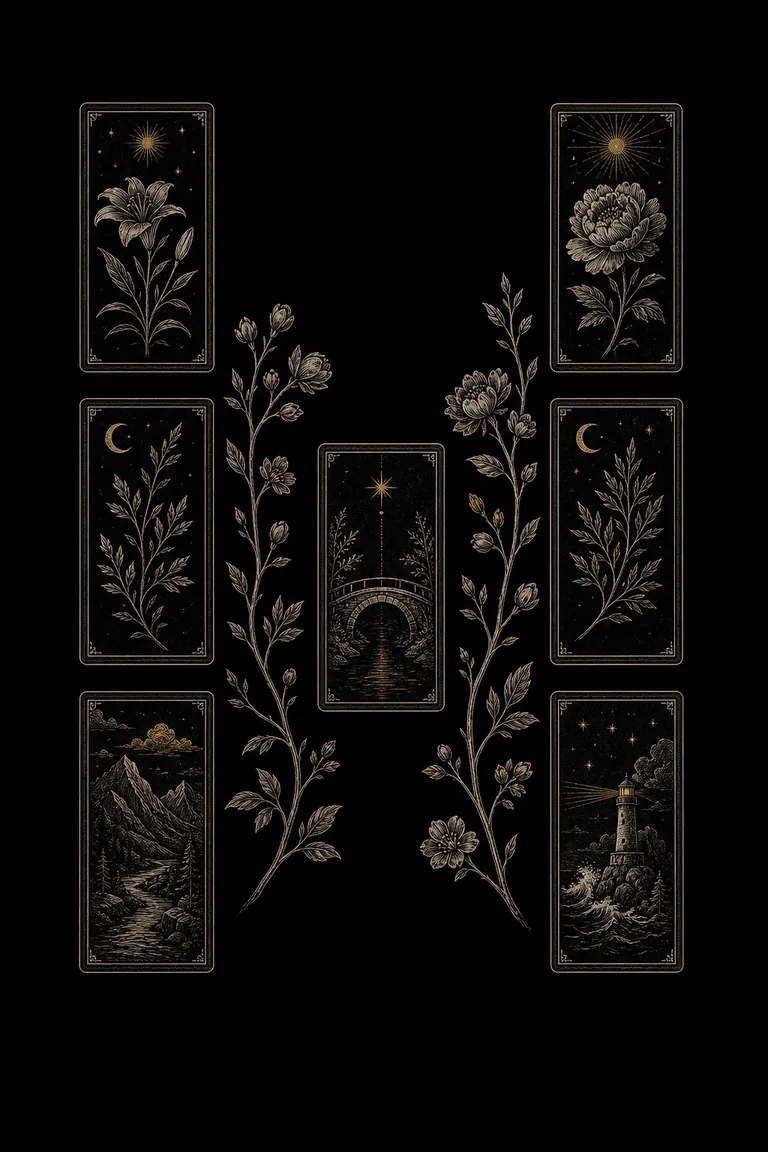
A relationship Tarot spread is most useful when it separates two participants from the pattern they create together. The seven-card layout below gives each person three positions and places the shared dynamic at the center.
The cards cannot verify another person’s secret thoughts, feelings, or intentions. Read their side through what has been communicated and observed. If the spread raises a question about consent, commitment, or safety, direct evidence and conversation take priority.
Take the next insight with you
Explore personalized Tarot guidance in Veritas, available for iOS and Android.
 Scan with your phone
The seven relationship spread positions
What I need
A need, value, boundary, or condition required for your honest participation.
What I bring
A strength, habit, fear, or role you contribute to the relationship.
My next responsibility
An action, conversation, or decision that belongs to you.
The shared dynamic
The central pattern created between both people under current conditions.
What they have shown
Visible behavior, communication, or capacity, interpreted against known facts.
What they have stated
Their expressed need or position, not a card-based claim about hidden motives.
What requires mutual participation
A change or repair that neither person can produce alone.
See the relationship without losing the individuals
Open a Tarot reading in Veritas and separate your choices, the other person’s visible participation, and the pattern that exists between you.
How to lay out the cards
Place cards one through three in a vertical line on the left and cards five through seven on the right. Put card four between them. Keep the two sides physically separate so the reading does not collapse both people into a single emotional story.
Choose a question with boundaries
Use a question such as “What should I understand about our current communication pattern?” or “What would mutual repair require?” Avoid “Do they secretly love me?” and “Will they leave their partner?” Those prompts ask Tarot to override privacy and evidence.
Read your side first
Cards one through three locate your agency before attention moves outward. If the Queen of Pentacles appears as a need, practical reliability may matter more than reassurance. If the Seven of Wands appears as your contribution, a boundary may be protective or so constant that collaboration cannot enter.
Read their side through evidence
Anchor cards five and six to what the person has actually done and said. The Knight of Cups in “what they have shown” might fit warm pursuit, but it does not prove commitment. Compare the symbol with consistency, timing, and whether words and behavior agree.
If you do not know what they have stated, leave that position open and identify a respectful question to ask. Do not use a card to fill a factual gap that another person has the right to answer for themselves.
Interpret the central dynamic
Card four describes the pattern, not a verdict on either individual. The Two of Pentacles may show ongoing adaptation without stable priorities. Justice may show that agreements, fairness, and consequence are central. The Devil may highlight attachment or leverage that deserves honest naming, not automatic condemnation.
The mutual participation card
Card seven identifies work that requires both people. The Three of Pentacles may call for agreed roles and feedback. Temperance may ask for paced integration and compromise. If only one person is willing to participate, the card clarifies a condition that is currently absent rather than a task you must perform twice.
Compare mirrored positions
Compare one with six: does your need meet what has been stated? Compare two with five: how do both forms of participation interact? Compare three with seven: which action is yours and which depends on cooperation? These pairs keep responsibility proportionate.
A short example
Suppose your need is the Four of Wands, their visible behavior is the Eight of Pentacles, and the shared dynamic is the Two of Swords. Stability matters to you, they are investing effort, but an important decision remains avoided. The next step is not to predict their choice but to name the decision and request a clear conversation.
Difficult cards and reversals
A difficult card can identify strain without proving failure. If you use reversals, keep the upright foundation and test blocked, internal, delayed, excessive, or redirected expression. Avoid assigning every reversed card on the right side to deception.
When to stop the reading
Stop after the seven positions and write one factual question plus one action within your control. Repeatedly redrawing the other person’s side can become reassurance seeking. If the relationship involves coercion, threats, stalking, or abuse, seek appropriate practical support.
Tarot is a symbolic reflective practice, not a scientifically validated forecasting method. It cannot establish consent, fidelity, diagnosis, pregnancy, abuse, or another person’s private intent.