Tarot Journal
Tarot Suits Explained: Cups, Wands, Swords, and Pentacles
Cups, Wands, Swords, and Pentacles answer different parts of a Tarot question. Compare their elements, life areas, strengths, shadows, and interactions in a spread.
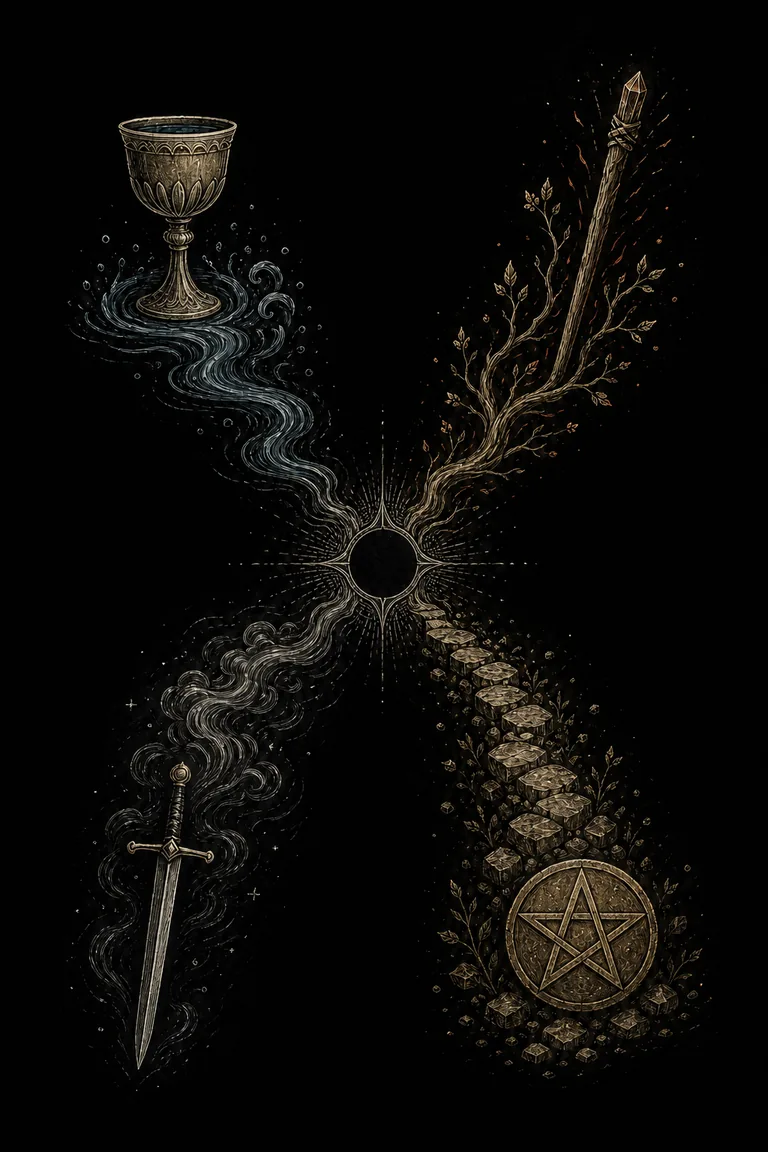
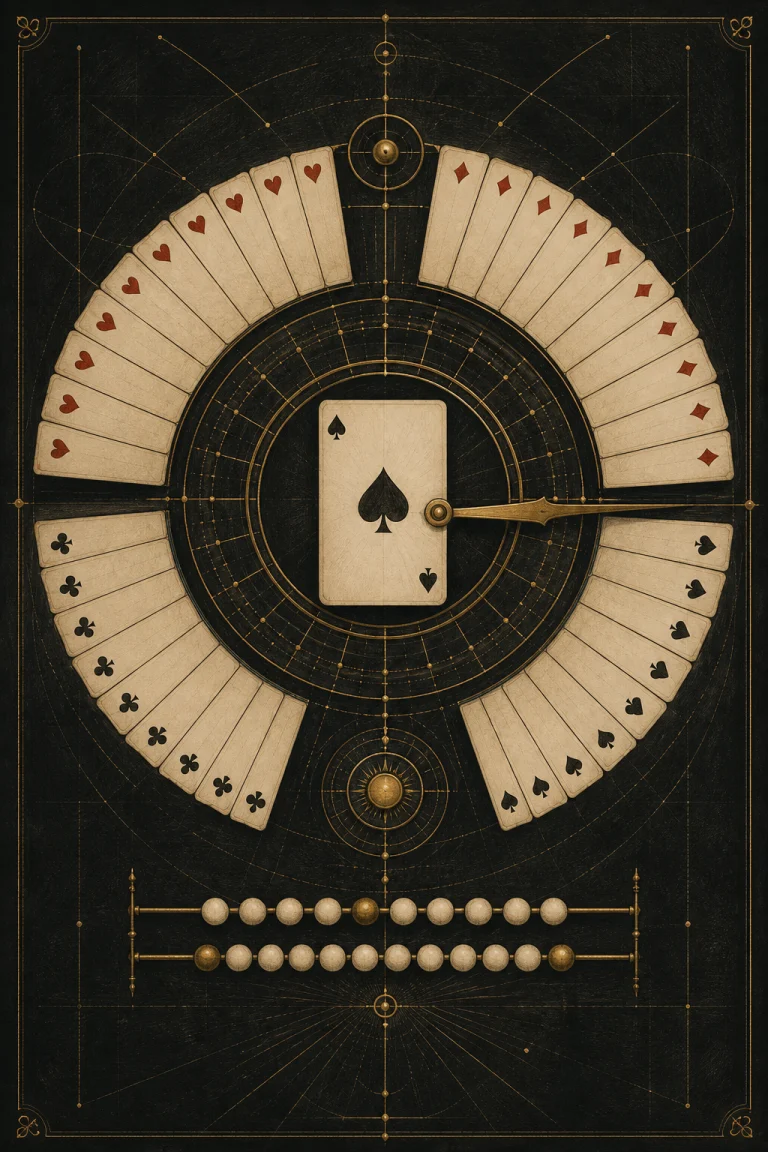
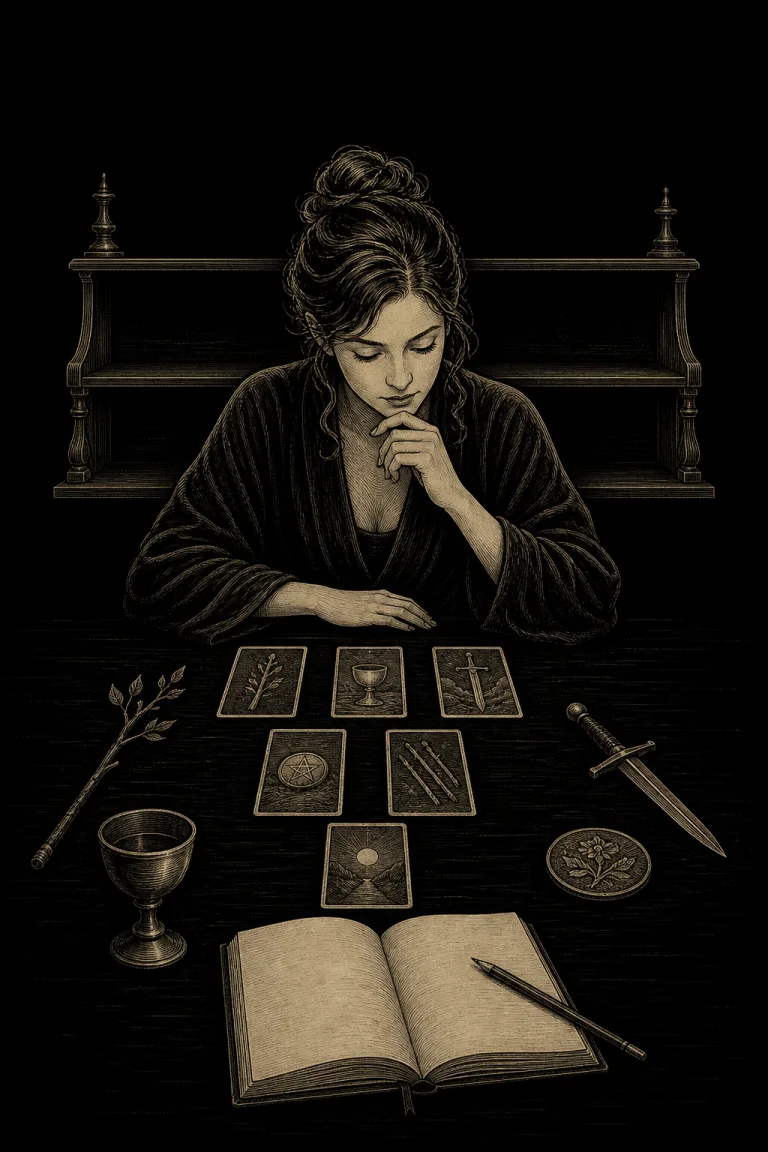
The four Tarot suits are Cups, Wands, Swords, and Pentacles. Cups speak through feeling and relationship, Wands through energy and initiative, Swords through thought and communication, and Pentacles through the body and material life.
Suit meanings become most useful when you compare them. A spread dominated by one suit shows where attention is concentrated. A change from one suit to another can reveal movement from emotion into action, from conflict into practical repair, or from an exciting idea into something that can be sustained.
Take the next insight with you
Explore personalized Tarot guidance in Veritas, available for iOS and Android.
 Scan with your phone
What do the four Tarot suits represent?
Each suit contains an Ace through Ten and four court cards. The number or court rank describes a stage or manner of expression, while the suit locates that expression in a recognizable area of life. This is why the Two of Cups and Two of Swords share a theme of relation or choice but feel very different in practice.
Many readers also associate the suits with the classical elements: Cups with water, Wands with fire, Swords with air, and Pentacles with earth. Elements provide useful verbs and textures. Water receives and connects, fire activates, air distinguishes, and earth gives form.
Tarot suit meanings at a glance
Cups: water, feeling, relationship
Cups describe emotional experience, attachment, intuition, imagination, affection, grief, and receptivity. Ask what is being felt or idealized, what kind of connection is forming, and whether emotion is flowing, contained, or overwhelming the situation.
Wands: fire, desire, action
Wands describe vitality, ambition, creativity, confidence, sexuality, enterprise, and motion. Ask where energy wants to go, what is inspiring participation, and whether enthusiasm has direction or is turning into impatience, conflict, or burnout.
Swords: air, thought, language
Swords describe ideas, decisions, evidence, communication, boundaries, worry, and conflict. Ask what is being said or assumed, which distinction matters, and whether the mind is clarifying the problem or keeping it alive through fear and repetition.
Pentacles: earth, body, resources
Pentacles describe money, work, home, health, time, craft, security, and the material consequences of choices. Ask what can be measured and maintained, what needs patient practice, and whether stability supports life or resists necessary change.
See how the suits answer one real question
Open a Tarot reading in Veritas and follow the movement between feeling, action, thought, and practical reality across the cards.
How Cups behave in a reading
Cups are not automatically romantic or positive. They can show tenderness, mutual care, imagination, and emotional availability, but also nostalgia, avoidance, projection, or attachment to how something should feel. In a career spread, Cups may concern team connection, creative satisfaction, or emotional investment in the work.
When Cups dominate, notice whether the reading needs a practical container. A later Pentacle may ground the feeling in a routine or commitment. A Sword may ask for a direct conversation. A Wand may turn desire into a first action.
How Wands behave in a reading
Wands show what is alive and trying to move. They are common in questions about creative work, attraction, leadership, competition, travel, and projects that require courage. Their heat can illuminate motivation or reveal that activity is being used to outrun uncertainty.
A spread full of Wands may benefit from asking what deserves sustained effort. Pentacles can give the fire a structure, Swords can clarify strategy, and Cups can reveal whether the goal remains emotionally meaningful. Fire is valuable because it starts; it does not finish every task alone.
How Swords behave in a reading
Swords often acquire a frightening reputation because several cards depict pain or tension. Their larger subject is the mind’s power to name, divide, plan, defend, and decide. A Sword can expose a difficult truth, establish a boundary, or show how a repeated thought has become a source of suffering.
When Swords dominate, separate facts from interpretations. A Cup may reintroduce the feeling beneath the argument. A Pentacle may show the concrete step available now. A Wand may reveal which decision restores movement instead of generating another round of analysis.
How Pentacles behave in a reading
Pentacles bring the reading into contact with what takes time and occupies space. They may concern a budget, job, body, home, schedule, training process, or a resource shared with others. They favor evidence and continuity, but not every Pentacle recommends staying where you are.
Many Pentacles can signal steady construction or a life narrowed to security and obligation. Cups may ask whether the arrangement nourishes anyone. Wands may restore purpose. Swords may identify a contract, belief, or decision that keeps the material pattern in place.
How to read mixed suits as a sequence
Read adjacent cards as a change of state. Cups moving into Swords can show a feeling becoming a conversation or an emotional experience being analyzed. Swords moving into Pentacles can show a decision taking practical form. Wands moving into Cups may describe excitement deepening into attachment, or action making room for emotional consequence.
Suppose a three-card spread shows the Five of Cups, Ace of Swords, and Eight of Pentacles. The movement is from grief and narrowed focus, through a clarifying truth, into steady work. That sequence is more useful than three separate keywords because it describes how one condition can become another.
What a dominant or missing suit can mean
A dominant suit concentrates the reading but does not determine the outcome. Four Swords in a five-card spread makes thought, language, or conflict difficult to ignore. Ask whether the question itself invited that emphasis and whether the remaining card offers a different resource.
A missing suit is a prompt, not a rule. No Pentacles may suggest that practical details are not yet being addressed, but it can also mean the spread is answering a different layer of the question. Only use absence when it adds a clear observation.
Elements, dignity, and neighboring cards
Some readers use elemental dignities, treating fire and air as mutually active, water and earth as mutually supportive, and opposing elements as modifying one another. This can deepen a reading, but it should not turn into a score that overrides imagery, position, and the actual question.
Begin simply: identify the suit of every card, describe the change across the spread, and name the element that would improve balance. Tarot is a symbolic reflective practice, not a scientifically validated forecasting method. Do not use it instead of qualified medical, legal, financial, or mental health advice.