Astrology Journal
North Node Conjunct Sappho Transit: Timing and Meaning
North Node conjunct Sappho is a settings-dependent transit between the moving lunar-node axis and natal asteroid 80, useful for reviewing expression and affinity without predicting a bond.
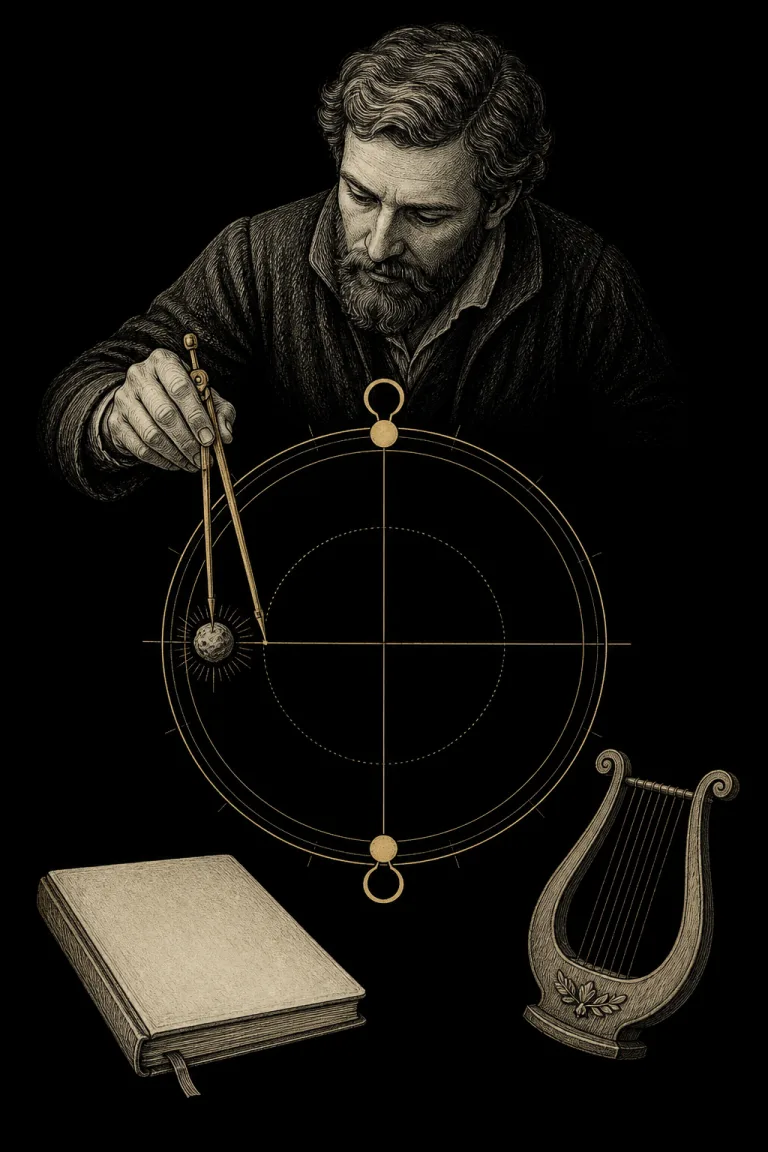
North Node conjunct Sappho transit occurs when the zodiac longitude of the moving North Node matches the natal longitude of physical asteroid 80 Sappho within a declared orb. Astrologers may use it to reflect on poetic expression, aesthetic kinship, admiration, creative exchange, and the social conditions that help a voice be recognized. It does not prove attraction, identity, talent, contact, or a destined relationship.
A reproducible reading begins with the correct object, one consistent mean or true node model, one zodiac, a narrow orb, and every exact pass. The transiting South Node is simultaneously opposite natal Sappho because the nodes form an axis. Interpret the full geometry, then test symbolic themes against consent, authorship, audience response, practical access, and observable behavior.
Take the next insight with you
Explore personalized Astrology guidance in Veritas, available for iOS and Android.
 Scan with your phone
North Node conjunct Sappho at a glance
Confirm the object before calculating
Use physical main-belt asteroid 80 Sappho and confirm both its number and name in the ephemeris. NASA JPL classifies 80 Sappho as a main-belt asteroid. Do not substitute a name-only point, a different asteroid, or a symbolic factor from another school. The natal Sappho guide owns sign, house, aspect, and synastry interpretation; this article owns the moving-node contact.
Choose mean or true node once
Astrology software may offer a mean node, which smooths the lunar nodes' motion, or a true node, which includes short-term oscillation. Either can be used within a declared method. They can produce different exact dates and pass counts, so label the choice and keep it fixed throughout the search. The lunar nodes guide explains the axis.
Keep the zodiac and coordinate system consistent
Record whether the chart is tropical or sidereal and which ayanamsha is used if sidereal. Compare geocentric ecliptic longitudes from the same zodiac and epoch conventions. Mixing a tropical natal asteroid with a sidereal transiting node can manufacture or remove a conjunction. Save the software, version, settings, and timezone with the result.
Use longitude and a declared orb
A conjunction is based on angular separation around the zodiac, not on two symbols looking close on a wheel. Calculate the shortest difference between the node and natal Sappho longitudes. For an optional asteroid transit, a narrow working orb such as one degree keeps timing specific. State the orb before searching and distinguish applying, exact, and separating phases.
Record every exact pass
The true node can reverse direction briefly, and software sampling can reveal more than one exact crossing. Search a wide enough interval and save each exact timestamp rather than reporting only the first date. A single sampled day can miss a crossing or suggest one that never reaches exactitude. Follow the general workflow in astrology transits.
Preserve the South Node opposition
When the North Node is conjunct natal Sappho, the South Node is opposite it at the same time. This is not a second independent transit. It is the other end of one axis. A reading can ask what expression or affiliation is being approached and what inherited audience, habit, comparison, or old mode of recognition needs review. Do not turn the axis into a moral story of good future versus bad past.
Birth-time sensitivity depends on the claim
Natal Sappho's zodiac longitude often changes less across a day than the angles and houses, but the exact amount must be checked for the birth date. If the birth time is unknown, calculate a range rather than inventing precision. Avoid house, Ascendant, Midheaven, and angle claims without reliable time. The unknown birth-time guide gives a safer workflow.
What Sappho can symbolize here
Modern asteroid practice may use Sappho as an optional lens on poetic voice, aesthetic perception, admiration, creative affinity, and recognition between people who value similar forms. These are symbolic hypotheses, not facts about the historical poet and not labels for sexual orientation. Ask what expression is being offered, who can access it, whose authorship is visible, and how affinity is demonstrated.
Expression is not guaranteed reception
A North Node contact may provide a useful date window for reviewing how a voice enters a public or relational setting. It does not guarantee applause, publication, virality, artistic talent, or understanding. Separate the act of expression from the conditions of reception: platform, audience, permissions, editing, compensation, accessibility, and feedback.
Affinity is not consent or compatibility
Shared taste, admiration, or creative recognition does not prove mutual attraction, relationship intent, sexual orientation, compatibility, or consent. In synastry-related questions, rely on direct communication and behavior. Never use the transit to label another person, expose private information, or pressure contact. Compare with the broader aspect guide without treating symbolism as evidence.
Natal context narrows the hypothesis
Review natal Sappho's sign, house if timed reliably, close aspects, and relationship to Mercury, Venus, the Moon, and chart rulers. Then inspect other transits active during the same window. A node-to-asteroid conjunction is a small factor inside a larger chart. It should not override stronger timing indicators or ordinary circumstances.
A six-step calculation and interpretation method
- Verify Sappho
Select physical asteroid 80 Sappho and record its natal longitude and source.
- Freeze settings
Choose mean or true node, tropical or sidereal zodiac, ephemeris, orb, timezone, and search interval.
- Find all passes
Calculate every exact North Node conjunction instead of keeping only a convenient date.
- Save the axis
Record the simultaneous South Node opposition as part of the same geometry.
- Form one hypothesis
Choose one expression, audience, aesthetic-affinity, authorship, or recognition question grounded in natal context.
- Test and review
Track consent, access, behavior, feedback, counterevidence, one bounded action, and a review date.
Worked example: a creative submission
A writer has a node-to-Sappho window while preparing a poem for a journal. The useful hypothesis is that the period can organize a test of voice and audience fit. The writer verifies guidelines, authorship terms, rights, accessibility, and deadline, then submits one finished piece. Acceptance or rejection supplies evidence; the transit does not guarantee publication or talent.
Worked example: collaborative affinity
Two designers discover a shared visual language during the window. They define a small paid trial, ownership, credit, revision limits, access needs, and an exit route. Shared taste supports the experiment but does not prove friendship, romance, or permanent compatibility. The review focuses on behavior and the work produced.
Worked example: returning to an old audience
The South Node opposition brings an earlier platform or style back into view while the North Node meets natal Sappho. Rather than calling the return destined, the person audits what the old audience rewarded, what it constrained, and whether current authorship needs different terms. A limited republication test can answer more than symbolism alone.
Separate Sappho from Venus, Eros, and Psyche
Sappho can focus on expression and aesthetic kinship. Venus has a broader role in values and relating, Eros can frame desire or creative charge, and Psyche can frame sensitivity and recognition. Keeping these scopes separate prevents every named asteroid from becoming a generic romance indicator.
Save the Sappho transit settings and evidence
Use Veritas to record asteroid 80, natal longitude, node model, zodiac, orb, every exact pass, South Node opposition, one expression hypothesis, consent, feedback, and review date.
Responsible limits
North Node conjunct Sappho is a symbolic astrology framework. It is not scientific evidence of identity, orientation, genius, attraction, reciprocity, compatibility, contact, publication, fame, healing, diagnosis, legal status, or a future event. Do not use it to label someone, claim another person's work, disclose private information, ignore consent, or replace professional advice. Visit the <a href="/astrology">Astrology journal hub</a> and keep calculations, evidence, authorship, and ordinary safeguards visible.