Tarot Gesture Symbolism: An Evidence-First Guide
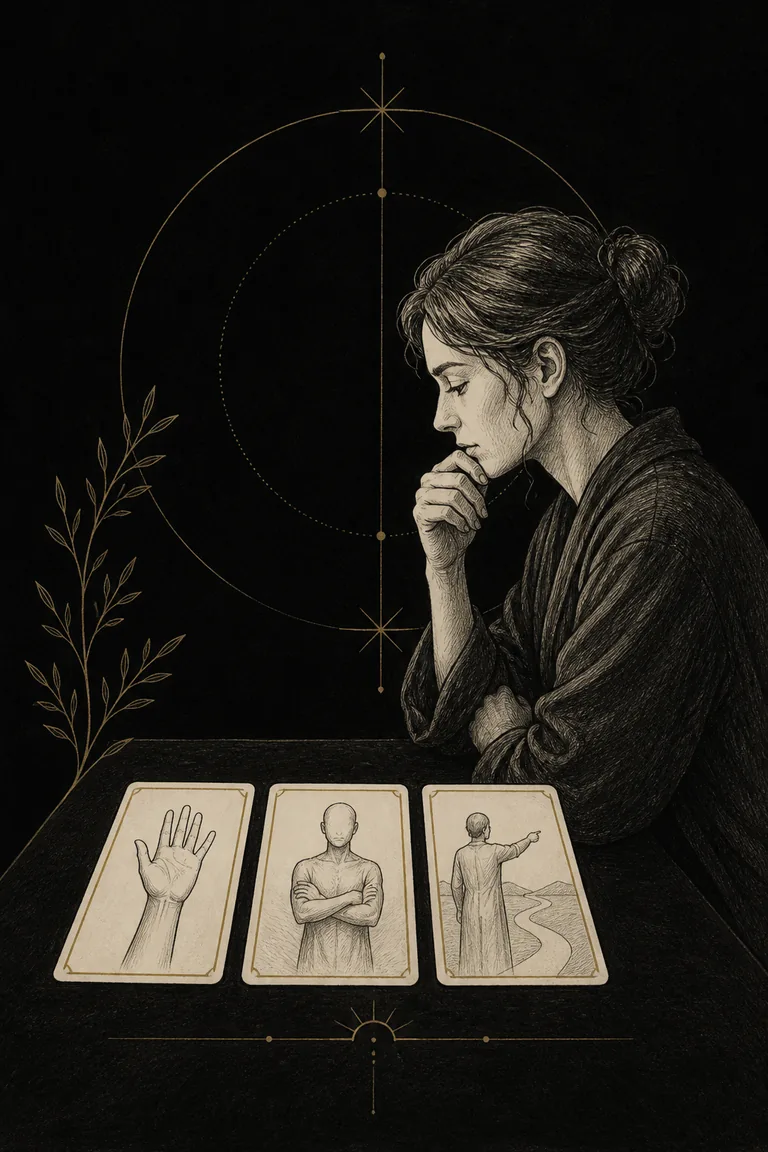
An evidence-first method for reading hands, arms, pointing, offering, touch, and gaze as visible actions without turning gesture into mind reading.
Read the guideTarot Journal · Spreads & readings
One-card practices, structured spreads, card positions, question design, and practical ways to connect several cards without surrendering judgment.
VERITAS JOURNAL
FIELD NOTES · 02
Journal atlas
Five considered paths through Tarot, plus a search across every published guide.
Inside this cluster
Showing 49–60 of 100 considered guides.
An evidence-first method for reading hands, arms, pointing, offering, touch, and gaze as visible actions without turning gesture into mind reading.
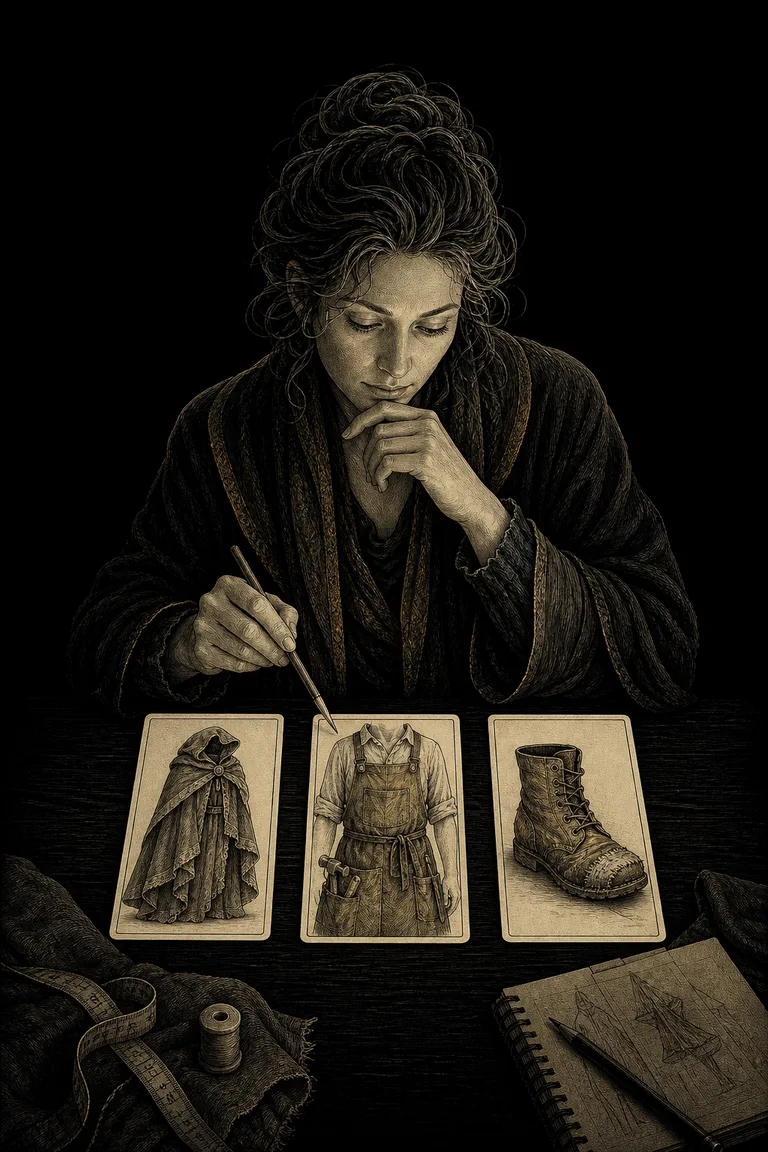
Read the guideAn evidence-first method for reading clothing as protection, access, role, movement, labor, display, and constraint without turning costume into identity.
Read the guideAn evidence-first method for reading terrain, routes, distance, water, weather, visibility, and scale without turning scenery into prediction.
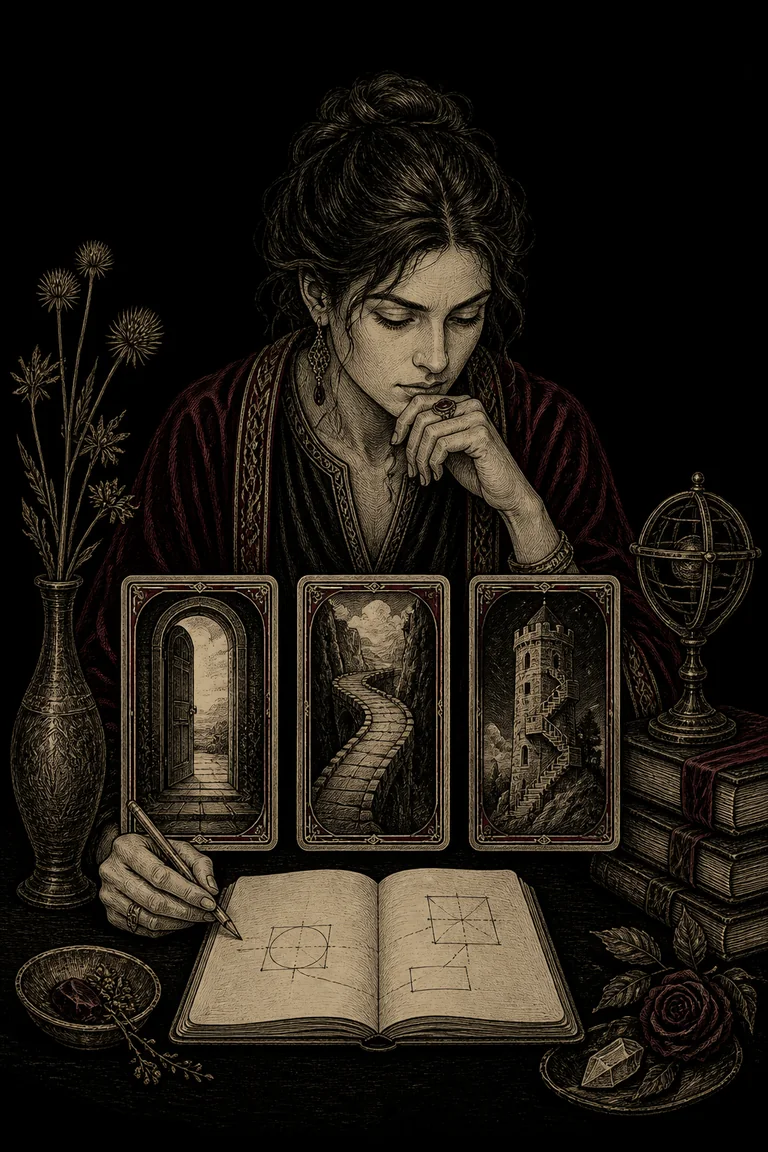
Read the guideAn evidence-first method for reading access, boundaries, routes, height, condition, scale, occupancy, and viewpoint in Tarot card architecture.
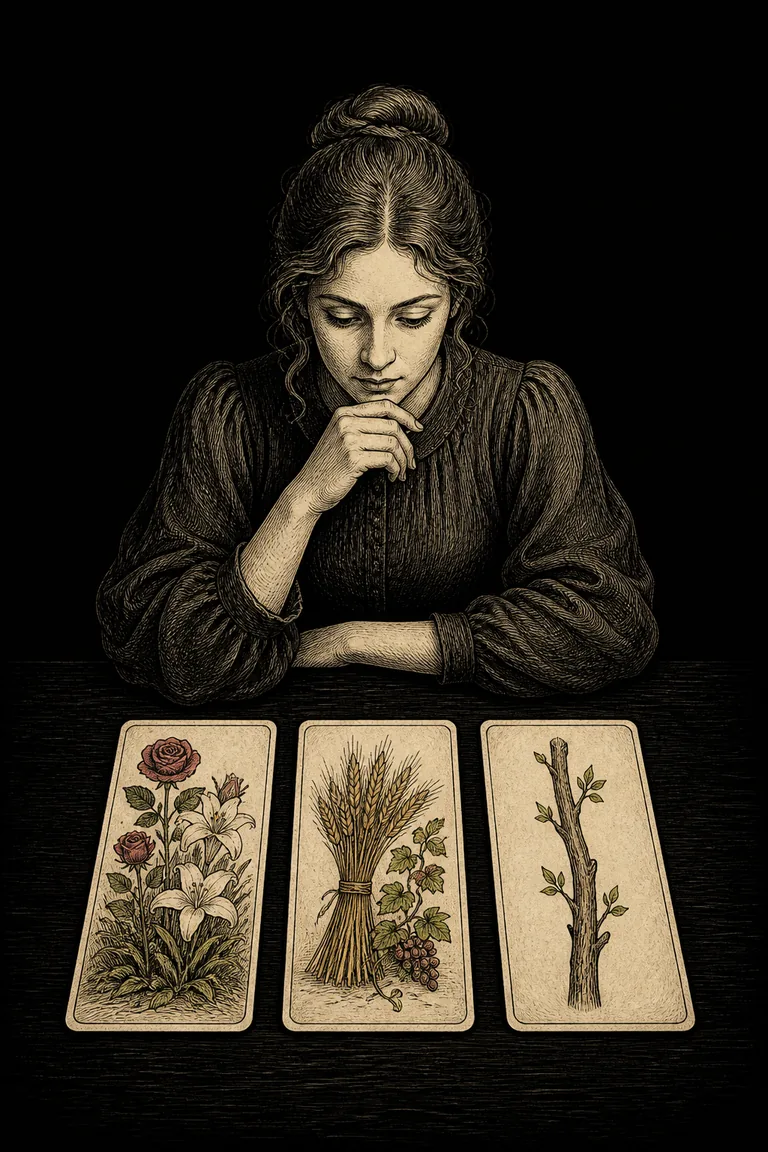
Read the guideA deck-first method for reading flowers, trees, fruit, grain, gardens, and living wood without turning botany into a fixed predictive dictionary.
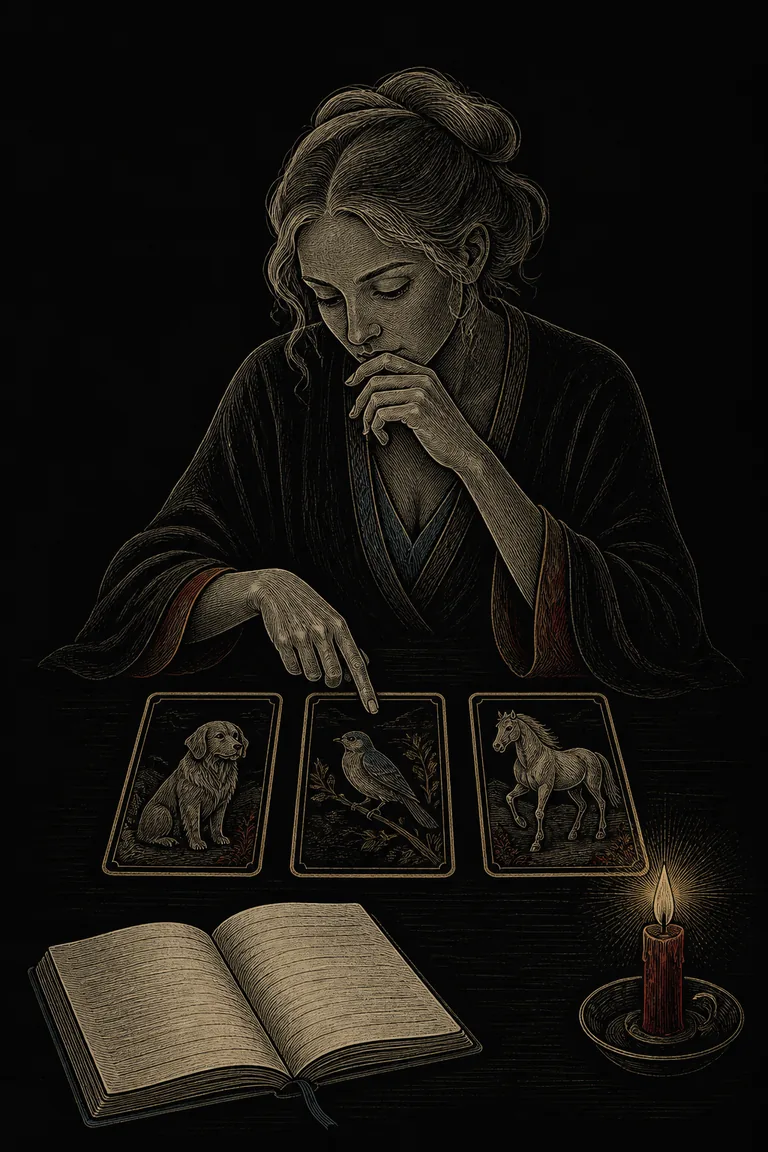
Read the guideA deck-first method for reading animals as active parts of a card scene instead of treating each creature as one fixed predictive keyword.
Read the guideA deck-specific method for reading dominant hues, accents, contrast, absence, and color progression without turning a palette into a fixed predictive code.
Read the guideA version-first method for using mythic comparisons without turning Tarot into one ancient universal code or letting a familiar story overrule the cards.
Read the guideA source-aware method for using alchemical transformation language without presenting Tarot as an ancient coded laboratory manual.
Read the guideA card-first method for using repeated ranks, sequences, and number transitions without replacing card imagery, spread positions, or real evidence.
Read the guideA structured way to turn separate card meanings into one coherent reading while keeping observation, narrative, alternatives, and real evidence distinct.
Read the guideA six-card deck interview turns first impressions into testable reading hypotheses about imagery, questions, blind spots, practice, and method.
Read the guideExplore the journal