Tarot Weather Symbolism: An Evidence-First Guide
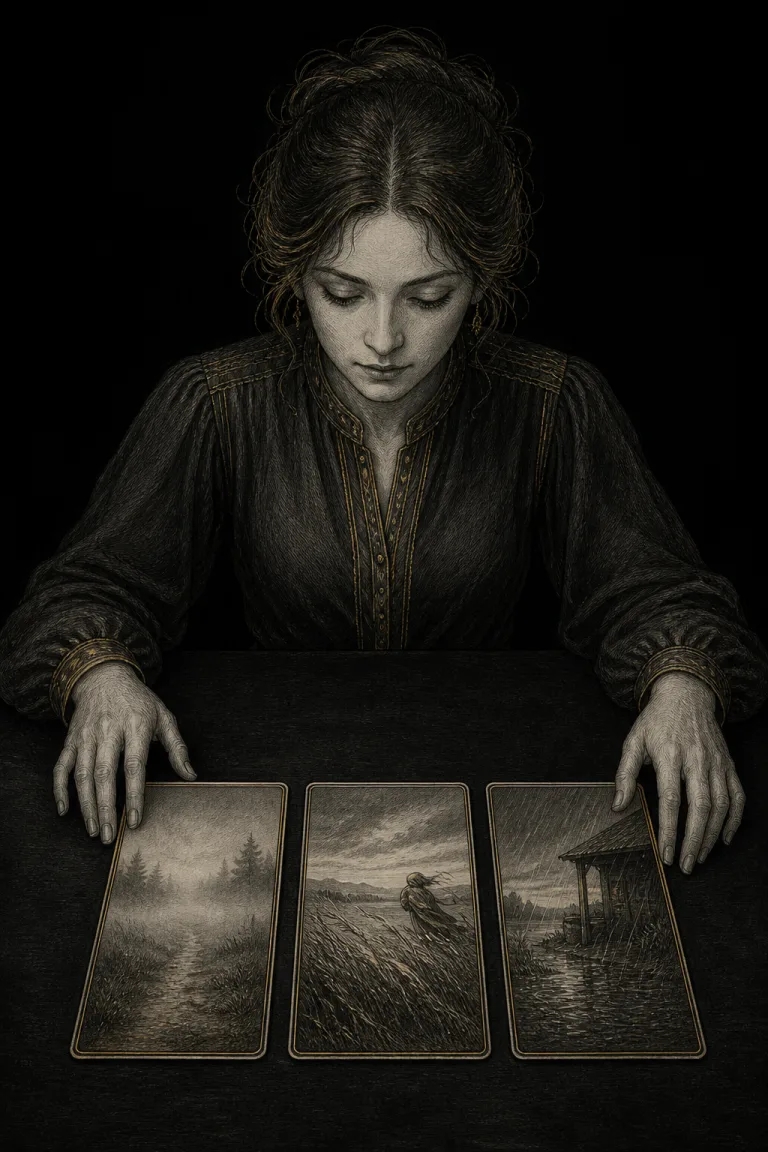
An evidence-first method for reading atmospheric conditions and their scene effects without turning illustrated weather into a forecast or fixed emotional code.
Read the guideTarot Journal
Thoughtful guides to Tarot card meanings, spreads, questions, and reading practice. Built for curiosity, reflection, and a steadier relationship with your intuition.
VERITAS JOURNAL
FIELD NOTES · 00
Journal atlas
Five considered paths through Tarot, plus a search across every published guide.
Complete index
Showing 49–60 of 202 considered guides.
An evidence-first method for reading atmospheric conditions and their scene effects without turning illustrated weather into a forecast or fixed emotional code.
Read the guideAn evidence-first method for reading illumination, occlusion, silhouette, and contrast without treating brightness as good or darkness as bad.
Read the guideAn evidence-first method for reading brows, eyelids, mouth, jaw, and asymmetry without turning a drawn face into emotion detection.
Read the guideAn evidence-first method for mapping who looks at whom or what without turning a drawn line of attention into mind reading.
Read the guideAn evidence-first method for reading standing, sitting, kneeling, leaning, balance, and direction without turning a drawn pose into mind reading.
Read the guideAn evidence-first method for reading hands, arms, pointing, offering, touch, and gaze as visible actions without turning gesture into mind reading.
Read the guideAn evidence-first method for reading clothing as protection, access, role, movement, labor, display, and constraint without turning costume into identity.
Read the guideAn evidence-first method for reading terrain, routes, distance, water, weather, visibility, and scale without turning scenery into prediction.
Read the guideAn evidence-first method for reading access, boundaries, routes, height, condition, scale, occupancy, and viewpoint in Tarot card architecture.
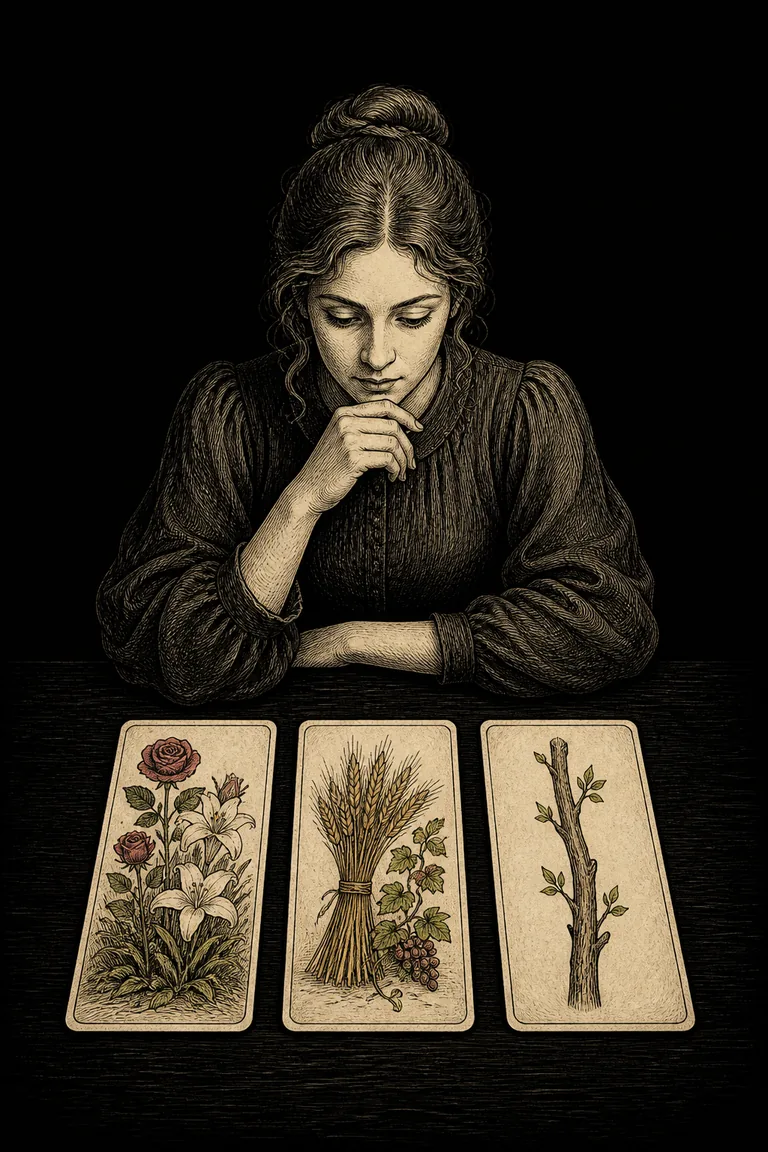
Read the guideA deck-first method for reading flowers, trees, fruit, grain, gardens, and living wood without turning botany into a fixed predictive dictionary.
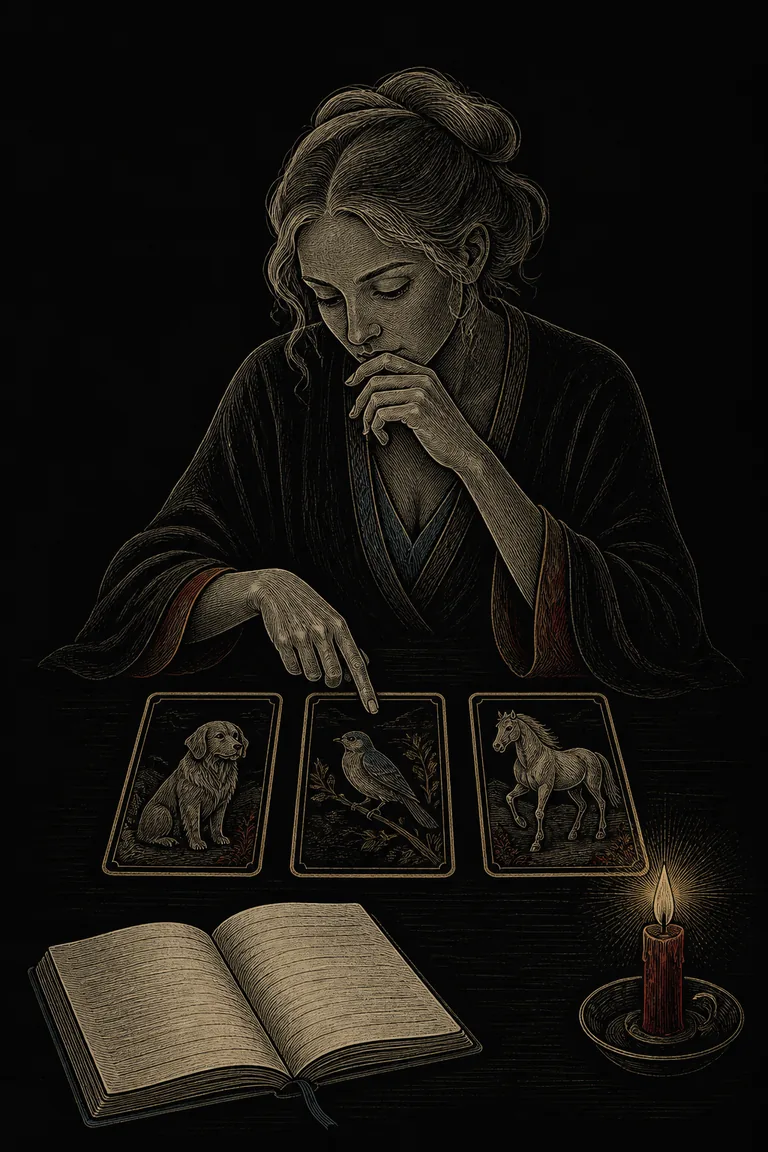
Read the guideA deck-first method for reading animals as active parts of a card scene instead of treating each creature as one fixed predictive keyword.
Read the guideA deck-specific method for reading dominant hues, accents, contrast, absence, and color progression without turning a palette into a fixed predictive code.
Read the guideExplore the journal