
Acronychal Rising in Astrology: Meaning and Timing
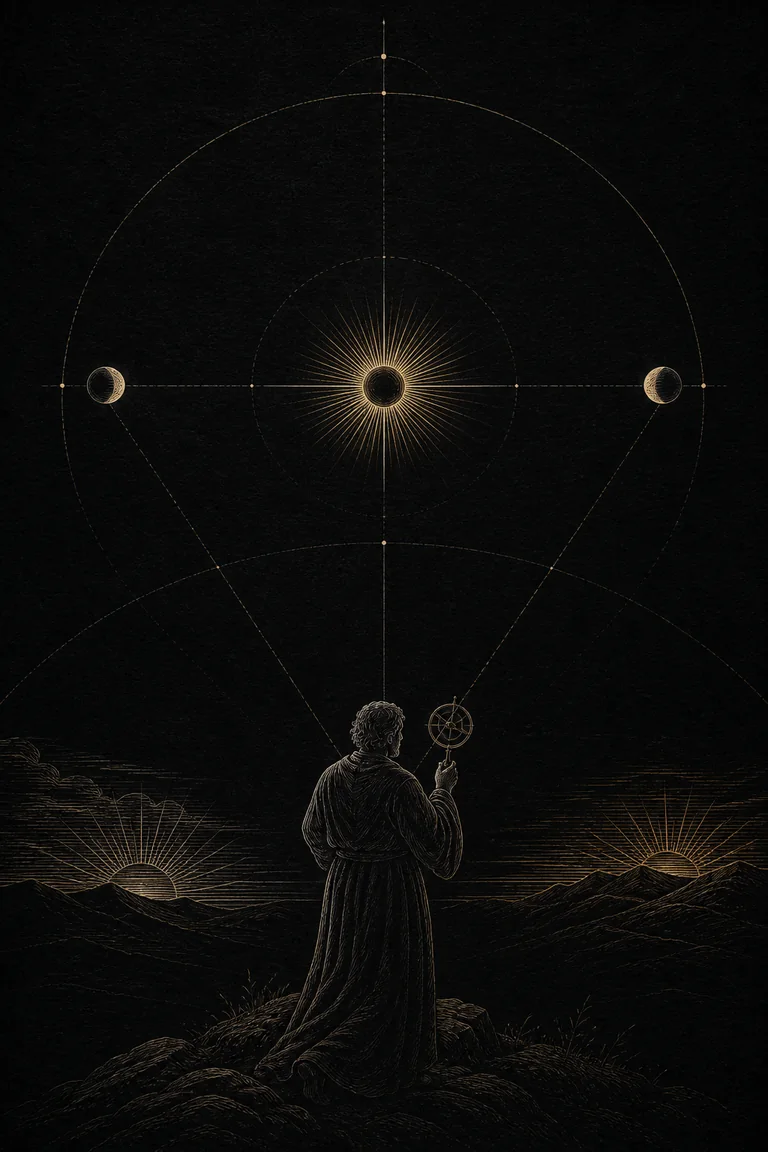
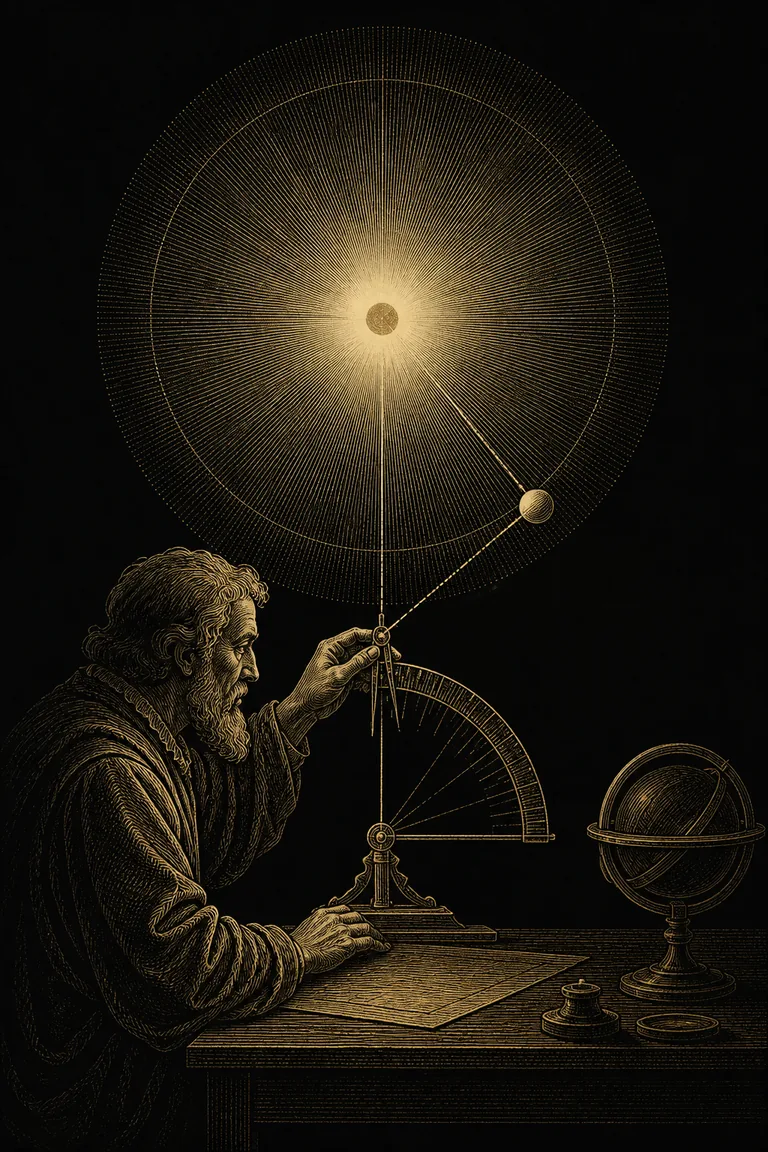
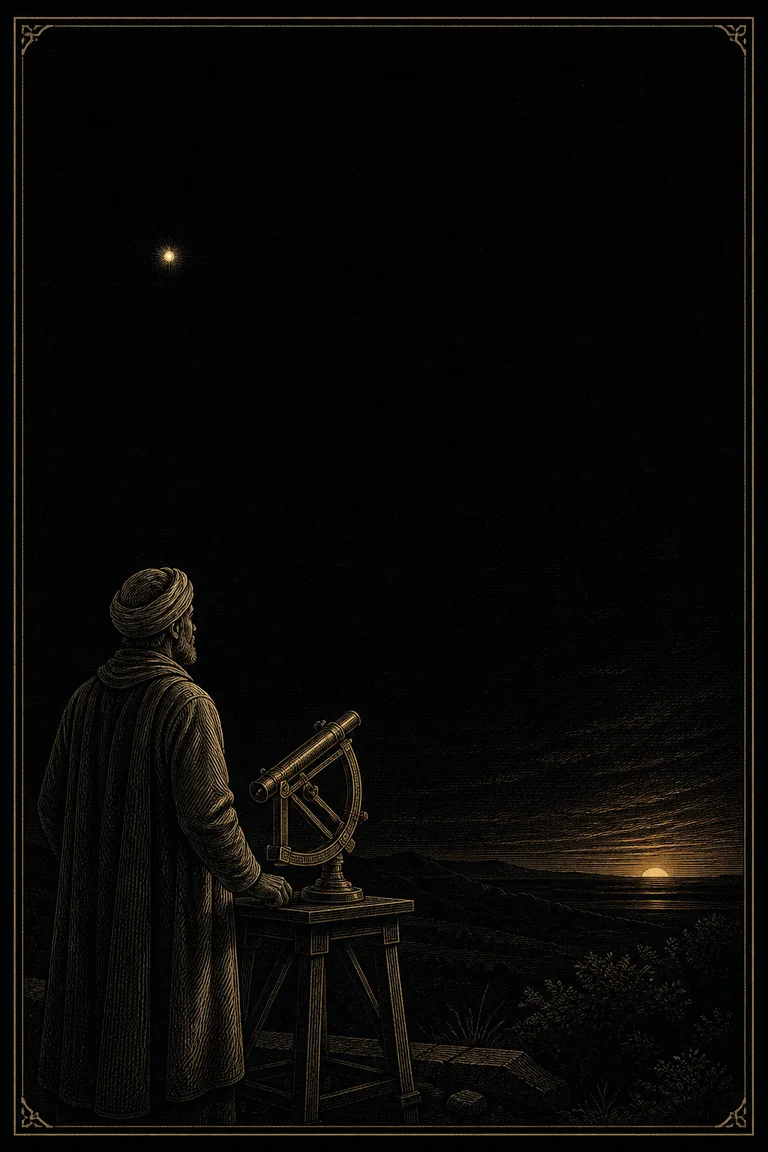
Acronychal rising is a location-sensitive evening horizon event near solar opposition, not first morning visibility or one universal software label.
Read the guideAstrology Journal
Clear, grounded explanations of birth charts, signs, houses, planets, aspects, and the patterns astrologers use to tell a richer personal story.
VERITAS JOURNAL
FIELD NOTES · 00
Journal atlas
Five considered paths through Astrology, plus a search across every published guide.
Complete index
Showing 97–108 of 202 considered guides.
Acronychal rising is a location-sensitive evening horizon event near solar opposition, not first morning visibility or one universal software label.
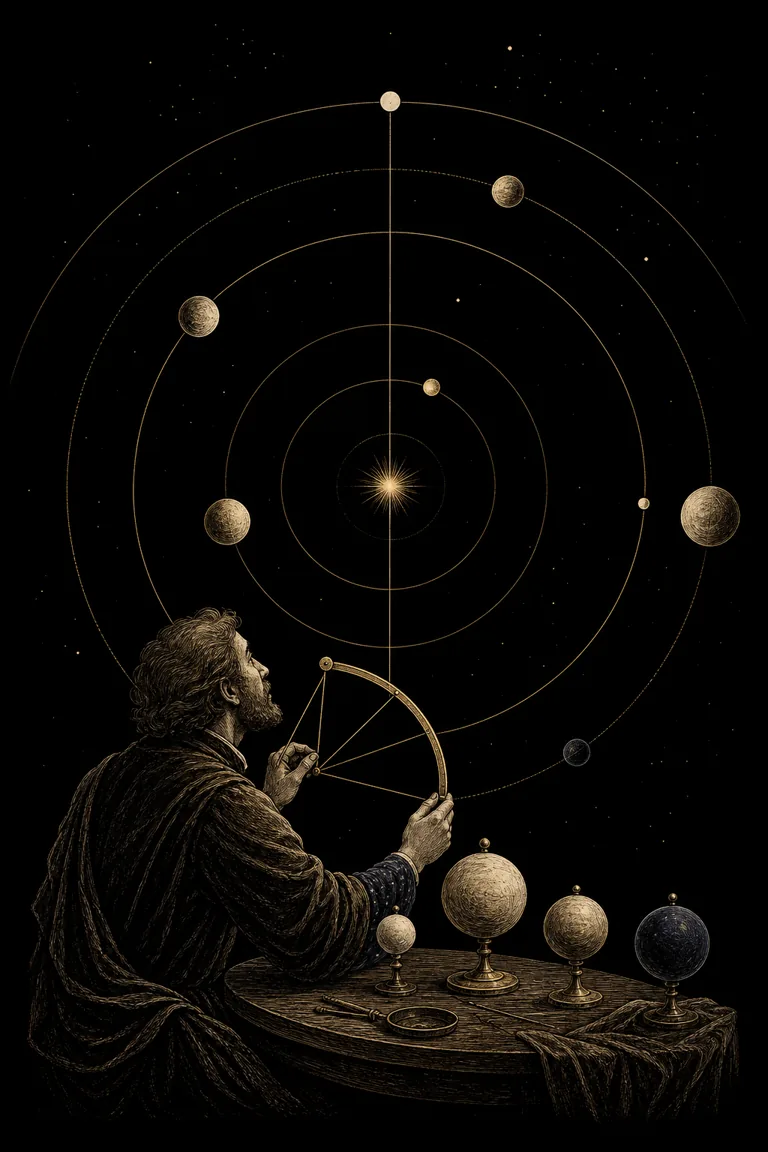
Read the guideOriental and occidental describe whether a planet rises before or follows the Sun, under a named convention and within its full solar phase.
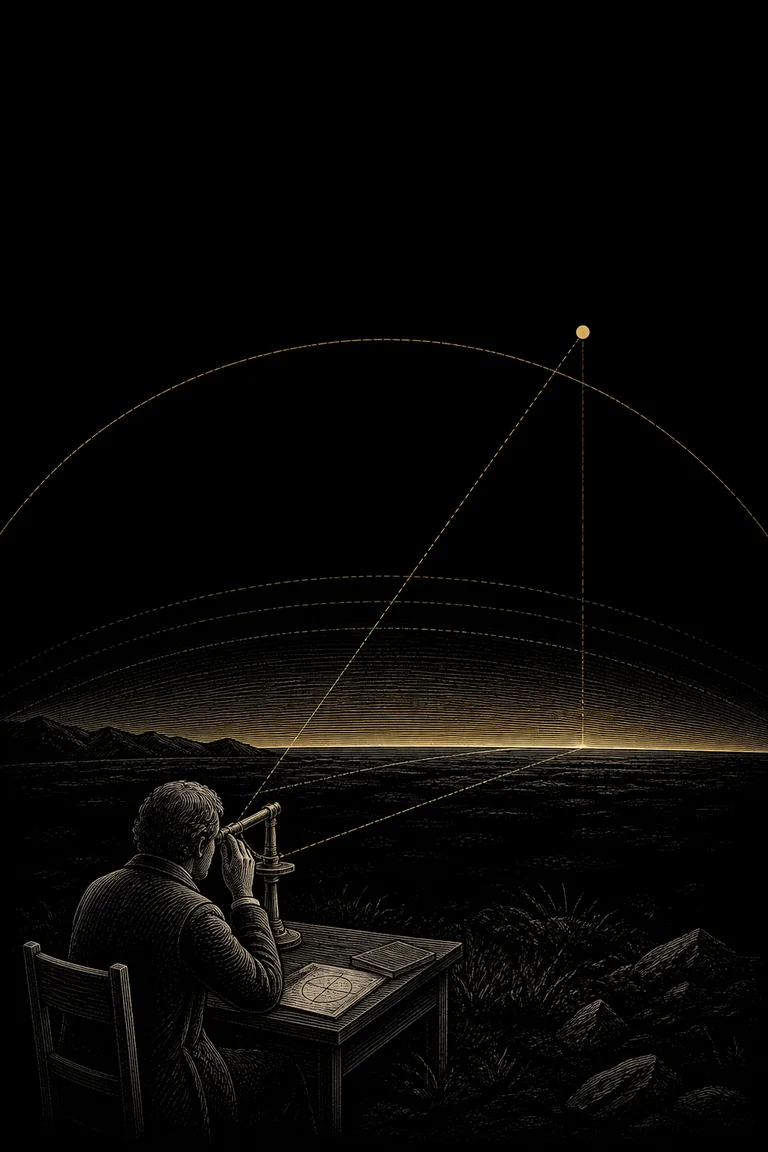
Read the guidePlanetary speed is a signed rate of apparent motion that requires a declared coordinate, unit, baseline, timestamp, and station threshold.
Read the guideHeliacal setting is a location-dependent last evening visibility before solar concealment, not a universal orb or a stand-alone prediction.
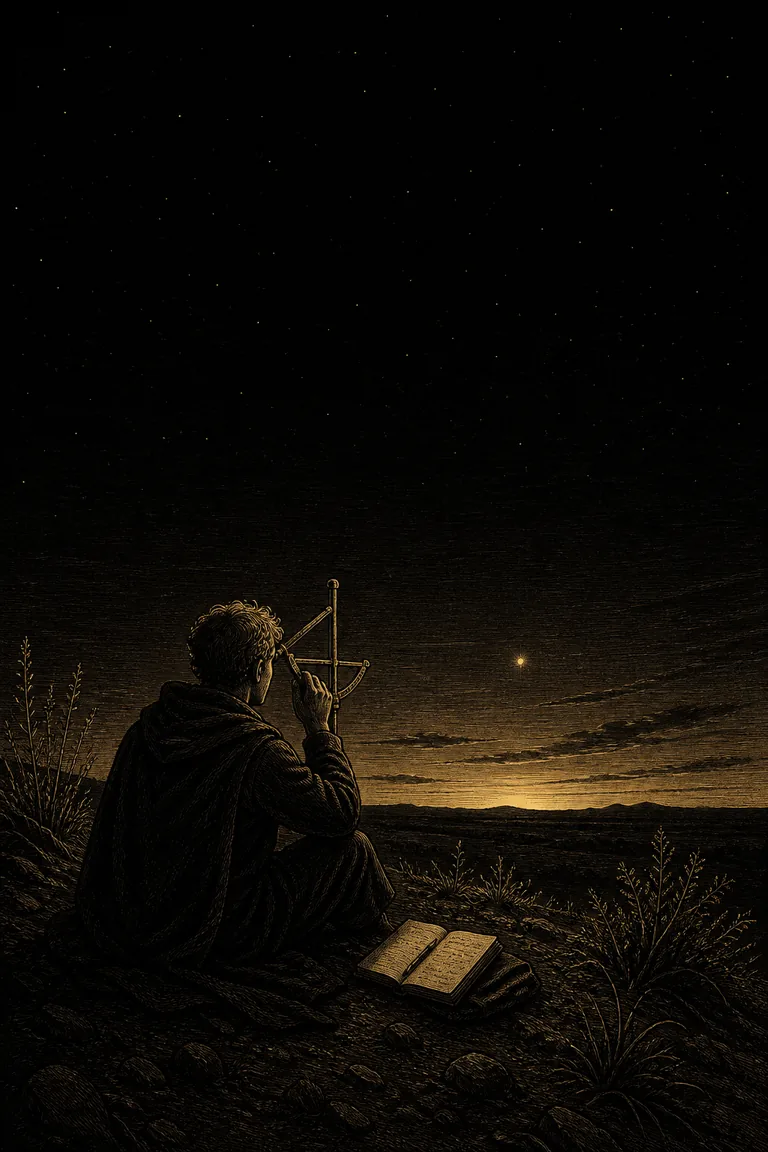
Read the guideHeliacal rising is a location-dependent first morning visibility after solar concealment, not one universal elongation or a stand-alone promise.
Read the guideUnder the beams is a disclosed solar-distance condition that requires phase, motion, dignity, reception, house, and real context before interpretation.
Read the guideA combust planet is obscured by solar light under a declared orb, while its phase, dignity, reception, motion, house, and rulerships still shape judgment.
Read the guideCazimi places a planet at the heart of the Sun under a narrow, declared orb while leaving dignity, motion, houses, rulerships, and context to judge.
Read the guideA peregrine planet has none of its own five essential dignities under a named method, but reception and accidental condition still require judgment.
Read the guideBounds divide every sign into five unequal degree ranges and add one precise, limited testimony to traditional chart judgment.
Read the guideTriplicity rulership adds elemental support to a traditional chart judgment through a named table, chart sect, and the real condition of each ruler.
Read the guideSect identifies a chart as diurnal or nocturnal and describes how the seven traditional planets fit its overall light conditions.
Read the guideExplore the journal